
















Live News
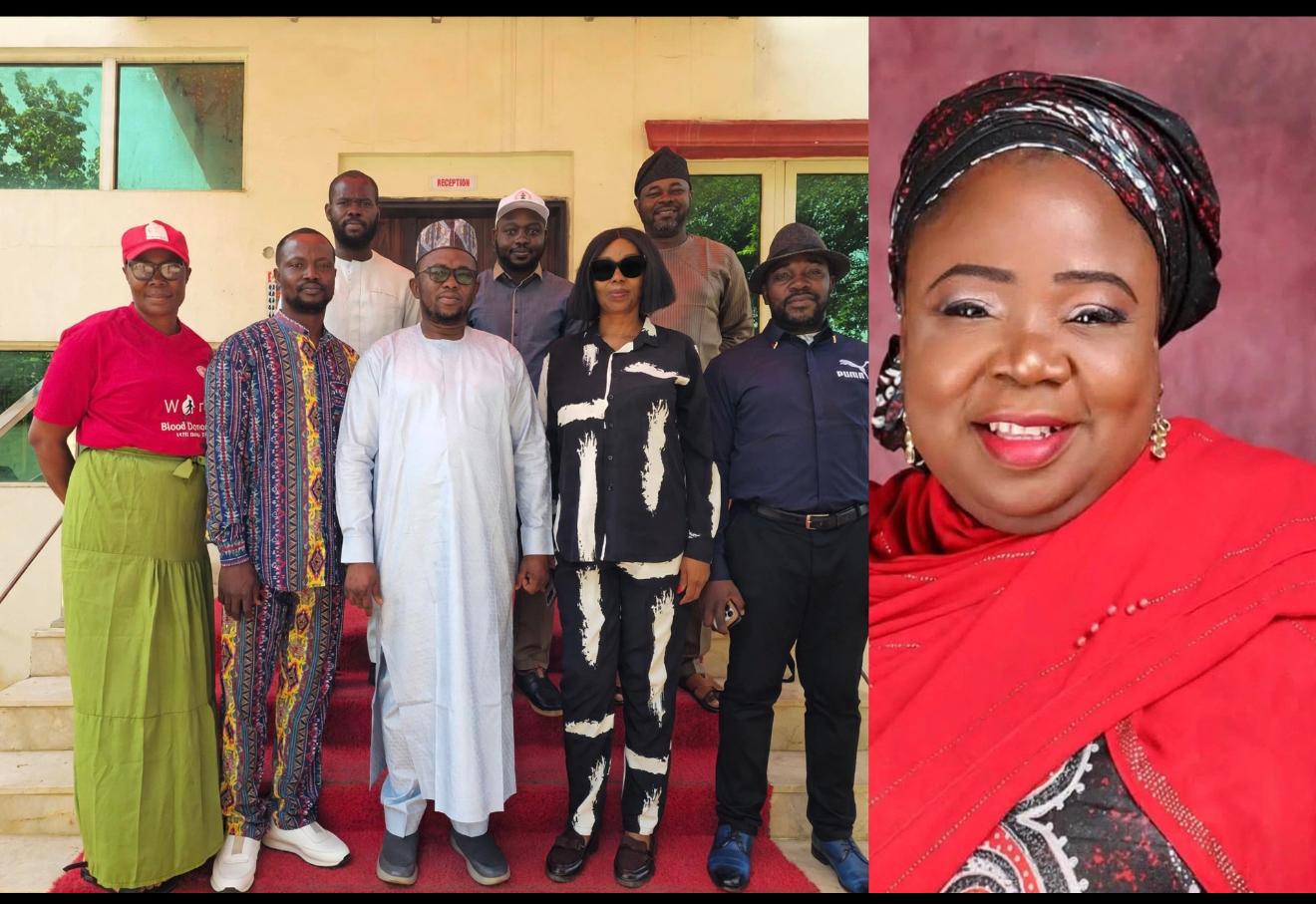
NUJ FCT, NBSA PARTNER TO LAUNCH RAFAT SALAMI BLOOD DONATION DRIVE
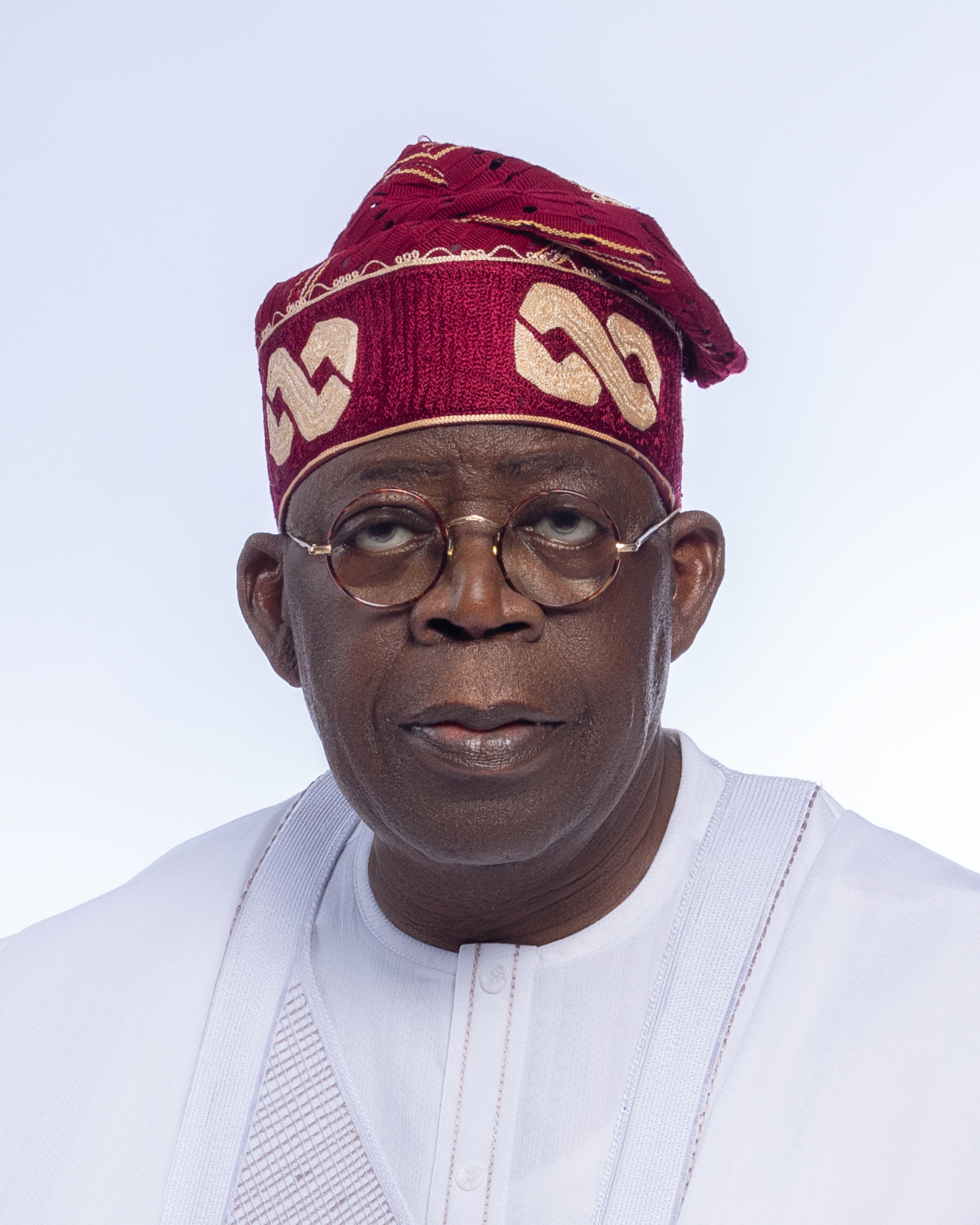
THE TINUBU TEST: WHAT HAS CHANGED SINCE 2023?
THE ATIKU QUESTION: CAN EXPERIENCE BECOME A NATIONAL COALITION?
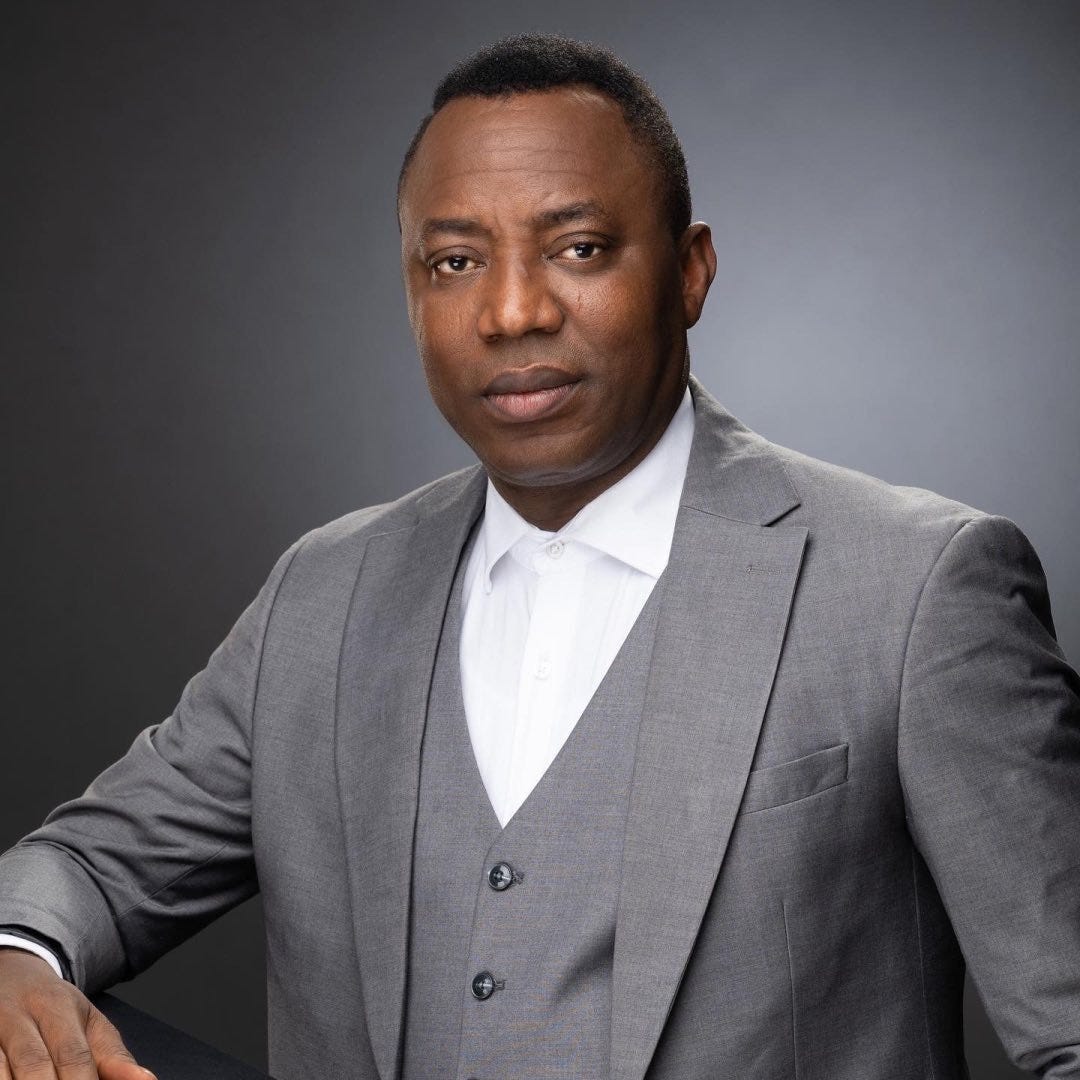
FROM ACTIVISM TO ASO ROCK: CAN PROTEST POLITICS WIN POWER?
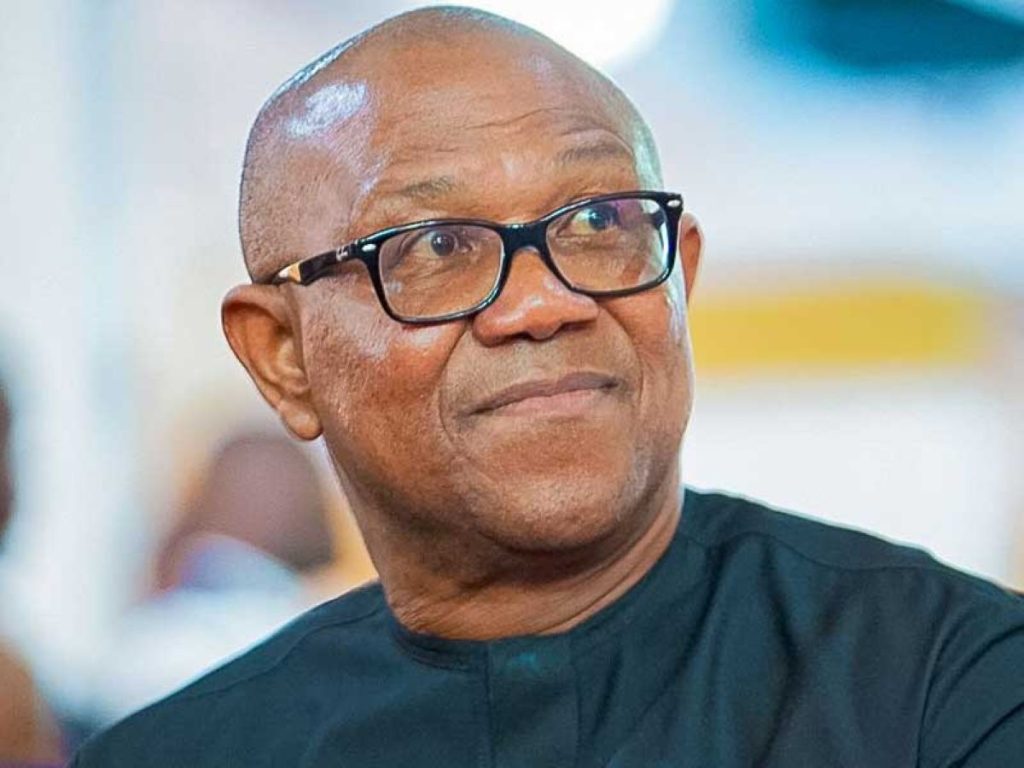
MOVEMENT OR MACHINERY? PETER OBI’S BIGGEST 2027 QUESTION
Two Nigerians arrested over drug trafficking in Saudi Arabia
Three years after Tinubu told Nigerians the subsidy was gone, one question refuses to disappear: did the reform save Nigeria or simply make survival more expensive?
“The ultimate test of the reforms is their ability to translate macroeconomic stability into tangible improvements in the lives of Nigerians.” That is not an opposition slogan. It is the logic of the Tinubu administration’s own reform narrative. And it captures the central dilemma facing the president as he approaches the 2027 election: Nigeria’s macroeconomic numbers have improved in several important respects, but millions of Nigerians are still waiting to feel that improvement in their pockets.
When Bola Tinubu took office on 29 May 2023, he moved almost immediately. His declaration that the fuel subsidy was “gone” became the defining sentence of his presidency. The subsequent liberalisation of the foreign-exchange market and other fiscal reforms fundamentally altered the Nigerian economy.
There was no gradual transition. Nigerians were pushed into a new economic reality almost overnight, and the consequences have shaped virtually every political argument since.
THE ECONOMY: STABILITY AT A HIGH COST
The government now has a substantial case to make. According to the Federal Government’s August 2026 reform scorecard, headline inflation had fallen from 22.41 percent at the May 2023 baseline to 15.91 percent by June 2026, while food inflation declined from 24.82 percent to 17.52 percent. Gross foreign reserves had risen from about $35 billion to $52.5 billion, while the government says the reforms generated significant additional resources for wages, infrastructure and other public expenditure.
Those figures matter. They suggest that the reforms have not simply produced pain; they have also delivered measurable improvements in macroeconomic stability. The government argues that maintaining the old subsidy and exchange-rate regime would have created even greater fiscal and foreign-exchange pressures.
But there is another side to the balance sheet.
Petrol prices rose from approximately ₦185 per litre before subsidy removal to between ₦1,100 and ₦1,400 by August 2026, according to the Finance Ministry’s own scorecard. Finance Minister Taiwo Oyedele described this as a “major, felt cost” and acknowledged that poverty and household welfare recovery remained “unfinished business.”
That admission is politically significant.
The government’s argument is essentially that Nigeria has become more economically stable, but Nigerians have not yet fully recovered from the cost of getting there. That may be defensible as an economic proposition. It is much harder to sell as an electoral proposition.
Because voters do not experience inflation as a percentage.
They experience it at the market.
They experience it at the petrol station.
They experience it when school fees arrive, when rent is due and when the electricity bill lands.
And that is where the Tinubu test becomes uncomfortable.
THE PETROL QUESTION
Nothing illustrates the political cost of the reforms better than petrol.
The latest SBM Intelligence Nigeria 2027 Voter Sentiment Tracker found that petrol had become the second-most cited national problem, named by 18.2 percent of respondents. More strikingly, 67.4 percent of the 1,103 respondents surveyed across 12 states and the FCT said they supported restoring the fuel subsidy, compared with 19.2 percent who opposed that position. SBM described petrol as the government’s worst-rated issue in the survey.
That does not prove that 67.4 percent of all Nigerian voters will vote against Tinubu. It is a survey of stated sentiment, not an election forecast. But politically, it is difficult to ignore.
The subsidy was presented as an unsustainable burden on government finances. Three years later, many Nigerians are asking a different question: if removing it was necessary, when will the promised benefits become visible in ordinary life? That question will follow Tinubu into the 2027 campaign.
SECURITY: THE OTHER UNFINISHED TEST
If the economy is Tinubu’s biggest political argument, security remains one of his biggest vulnerabilities.
The administration points to military operations, intelligence-led interventions, terrorist surrenders, international security cooperation and major rescue operations as evidence of progress. In August 2026, for example, the government announced the rescue of 308 abducted people in northern Nigeria in what it described as the country’s largest single-day rescue operation.
But the continued scale of abductions makes it difficult to declare victory.
In June 2026, the Federal Government itself acknowledged the abduction of 39 schoolchildren and seven teachers in Oyo State and at least 42 children in Borno State. Officials described the attacks as a national security priority and said multiple security agencies were involved in rescue operations.
A Premium Times analysis published in May found nine mass school-kidnapping incidents involving 551 students and staff during Tinubu’s first three years in office.
And the crisis has continued. In August 2026, nearly 700 people were reportedly abducted in coordinated attacks in Niger State, with residents protesting weeks later over the absence of a successful rescue operation.
For families living in affected communities, the question is not whether the military has recorded operational successes. It is whether they can travel, farm, attend school and sleep without fear.
That distinction matters enormously at election time.
REFORMS, ROADS AND THE VISIBLE STATE
The Tinubu administration can also point to infrastructure and structural reforms. Major road projects, the Lagos-Calabar Coastal Highway, expansion of compressed natural gas infrastructure, banking-sector recapitalisation and tax reforms form part of the government’s argument that the presidency is attempting to restructure rather than merely manage Nigeria’s problems.
The government also argues that the additional resources generated by the reforms have strengthened transfers to states and funded higher wages, debt obligations and infrastructure. Its August scorecard said ₦20.4 trillion in incremental resources had been generated or mobilised, while ₦30.64 trillion in incremental expenditure had been incurred, including ₦9.39 trillion associated with wage adjustments.
These are substantial changes.
The unresolved question is whether they are substantial enough to change how Nigerians experience government.
A road project can be photographed.
A new policy can be announced.
A macroeconomic indicator can improve.
But political legitimacy ultimately depends on whether citizens believe their lives are improving.
THE REAL TINUBU TEST
That is why the 2027 judgment on Tinubu will probably not be determined by one economic statistic or one infrastructure project. It will be determined by the distance between the government’s story and the citizen’s experience.
The government can point to falling inflation, stronger reserves and increased fiscal stability. Critics can point to petrol prices, household hardship and continuing insecurity. Both sets of facts can exist at the same time.
That is what makes the Tinubu record politically complicated.
The reforms were real. The pain was real. The macroeconomic gains are real. The unfinished welfare recovery is also real.
The president therefore faces a very different test in 2027 from the one he faced in 2023. In 2023, he was asking Nigerians to trust his promises. In 2027, he will be asking them to judge his record.
And that record will ultimately be measured not in Abuja’s conference rooms, but in Nigerian homes.
Tinubu bet the country on painful reform. Three years later, the macroeconomic indicators are better. The question Nigerians will answer in January 2027 is whether their own lives are.