


















Live News
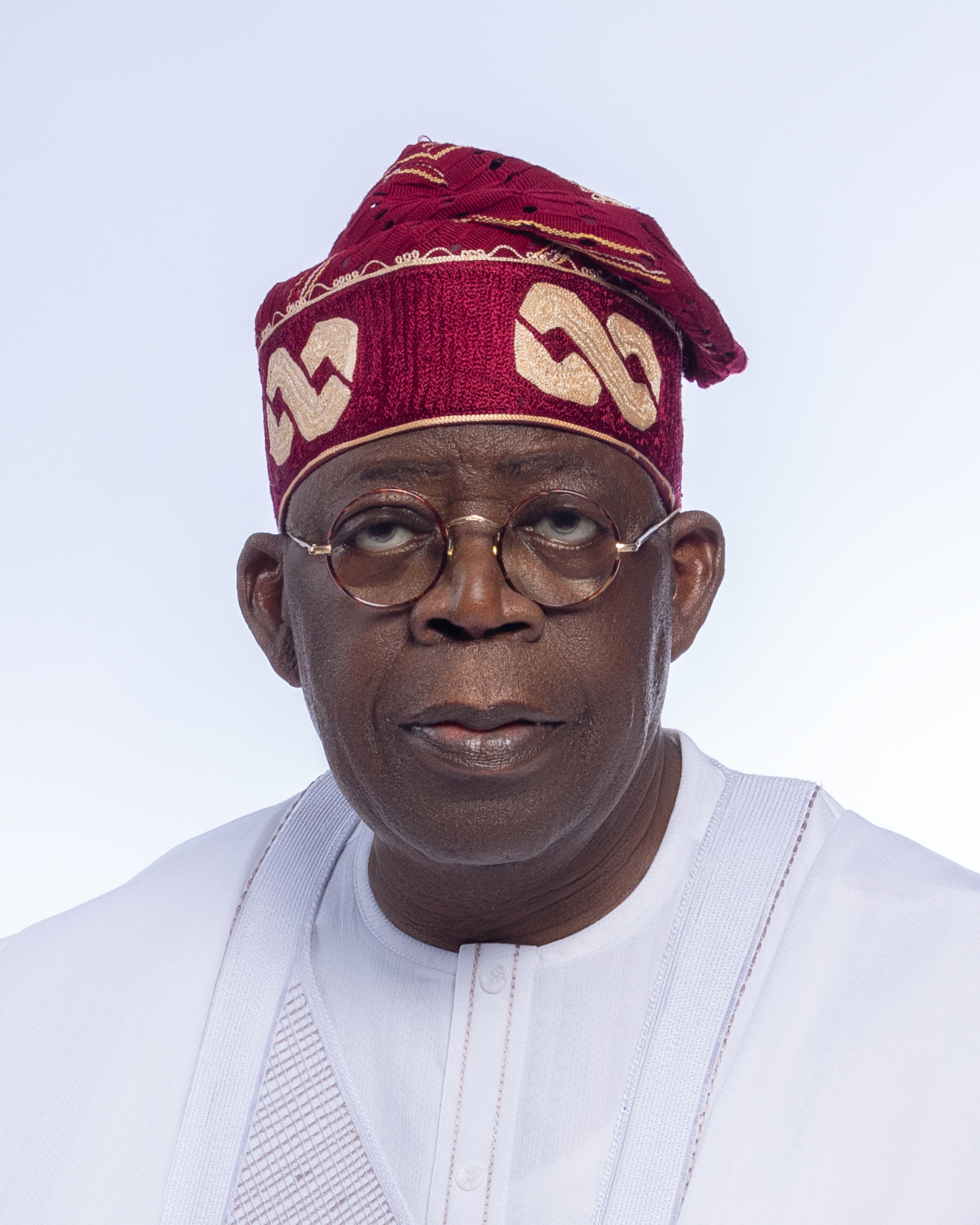
THE TINUBU TEST: WHAT HAS CHANGED SINCE 2023?
THE ATIKU QUESTION: CAN EXPERIENCE BECOME A NATIONAL COALITION?
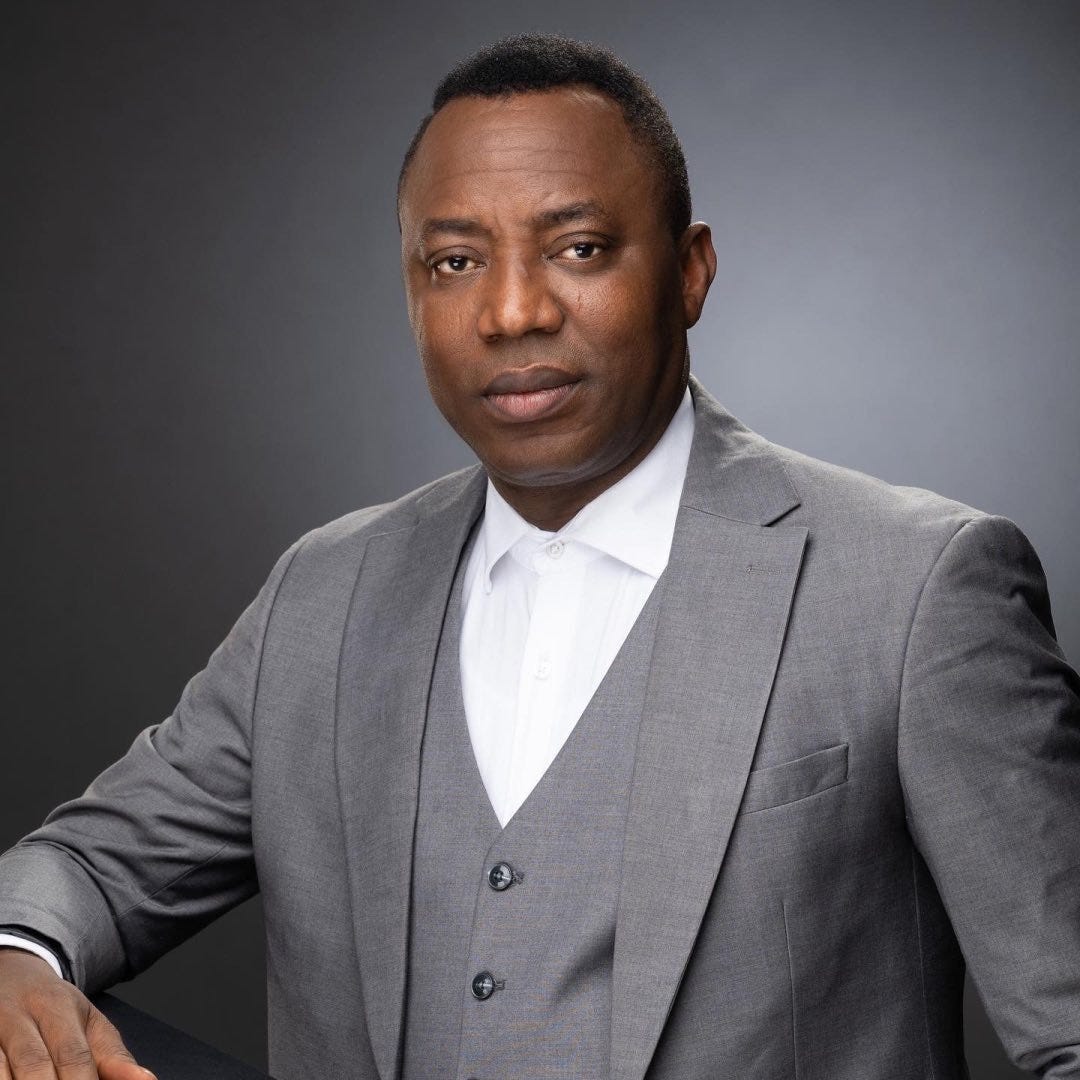
FROM ACTIVISM TO ASO ROCK: CAN PROTEST POLITICS WIN POWER?
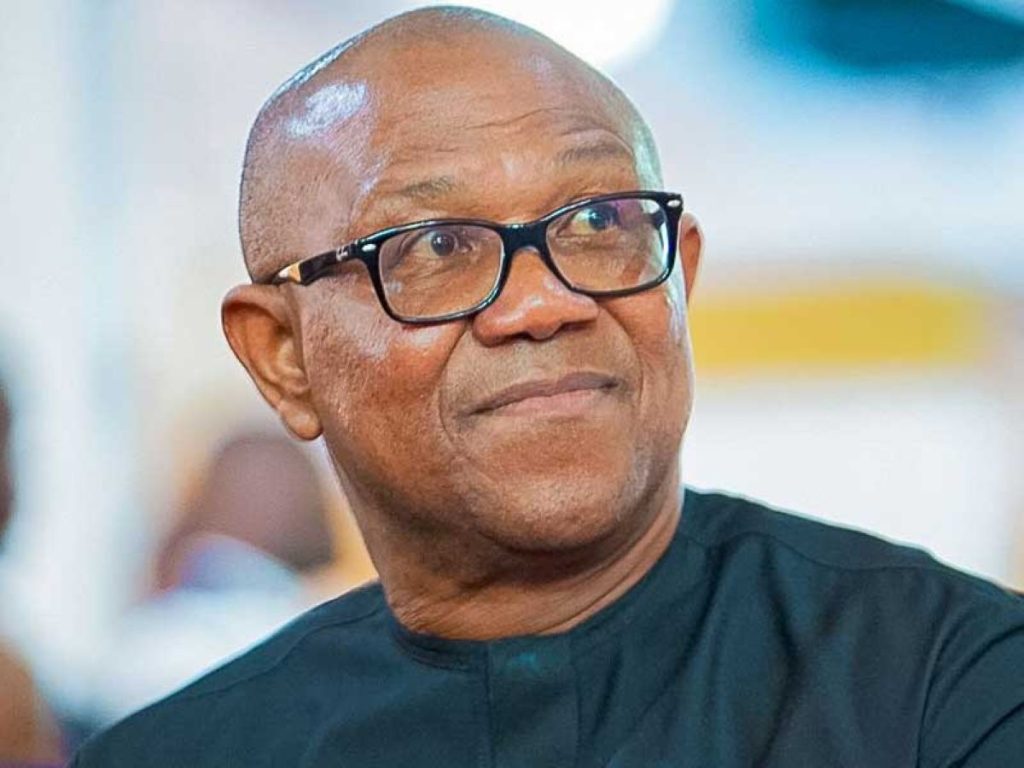
MOVEMENT OR MACHINERY? PETER OBI’S BIGGEST 2027 QUESTION
Two Nigerians arrested over drug trafficking in Saudi Arabia
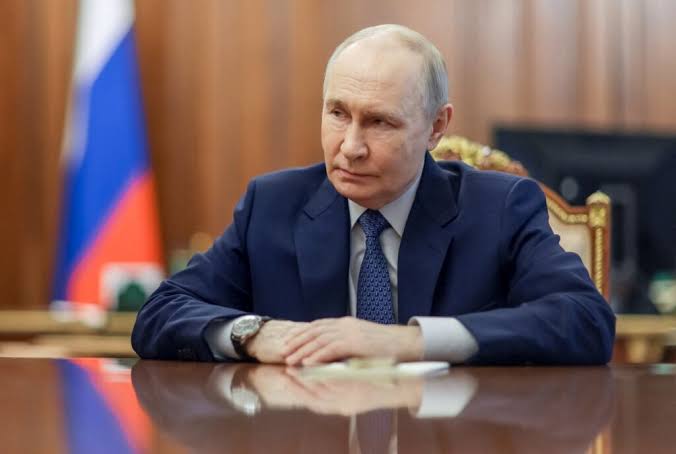
Putin sacks Murmansk governor Chibis over corruption charges
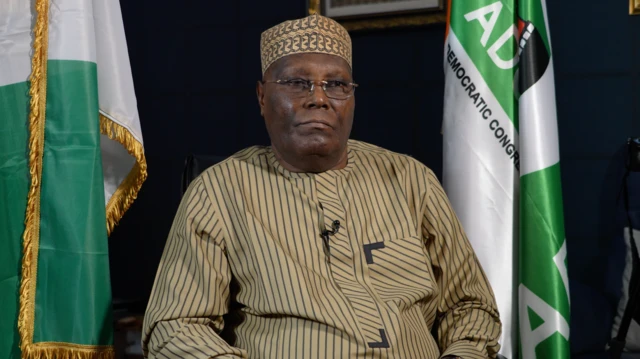
At 79, after coming second in 2019 and 2023, Atiku Abubakar is asking Nigeria for one more chance. But can experience still become a national coalition or has Nigerian politics moved beyond the machine that carried him this far?Atiku enters the 2027 presidential race with something few rivals can match: decades at the centre of Nigerian politics. He was Vice President from 1999 to 2007 and contested the presidency in 2019 and 2023, finishing second in both elections. In 2026, he moved to the African Democratic Congress and secured its presidential ticket. INEC’s final list puts him at 79, with former Rivers State governor Rotimi Amaechi as his running mate.
Atiku has also said 2027 will be his final presidential contest. That makes the question unusually stark. He is not an unknown quantity asking Nigerians to take a first look. He is a veteran politician asking voters to reconsider what his experience, network and political longevity mean at a moment when many Nigerians are demanding something different from the political establishment.
The issue is not whether Atiku has experience. The issue is whether experience can still assemble a national coalition.
THE TICKET: ATIKU AND AMAECHI
Rotimi Amaechi gives the ticket a significant southern dimension. A former two-term governor of Rivers State and former Minister of Transportation, Amaechi contested the ADC presidential primary against Atiku and finished second.
The ADC later selected him as Atiku’s running mate after consultations with party leaders and representatives of the geopolitical zones.
The arithmetic is straightforward: Atiku brings a North-East base and long-established national relationships, while Amaechi provides South-South representation and his own political network.
But geography alone does not create votes. The ticket must convert regional representation into a functioning national coalition, reaching beyond traditional structures and convincing voters who may not see either candidate as representing a genuine generational break.
THE COALITION THAT DID NOT HAPPEN
This is where Atiku’s 2027 story becomes more complicated.
The ADC became the platform for a broader opposition realignment involving several prominent political figures. The ambition was clear: create a common vehicle capable of challenging the ruling APC with a single opposition candidate.
But the arrangement fractured.
Peter Obi and Rabiu Kwankwaso eventually moved away from the coalition framework, leaving separate political arrangements. Reuters reported in May that their departure weakened the effort to create a unified opposition platform.
Atiku therefore enters the election with an opposition movement broader than his own campaign but no longer unified around one presidential ticket.
That matters because Nigeria’s opposition problem has never simply been a shortage of politicians. It has often been the difficulty of persuading ambitious figures and competing regional constituencies to subordinate individual interests to one common project.
Atiku has spent years building alliances. The 2027 test is whether those alliances can finally produce the national coalition his presidential ambitions have repeatedly required.
THE PRIMARY: A BIG WIN WITH QUESTIONS ATTACHED
Atiku’s ADC primary victory was decisive on the party’s announced figures. He received 1,846,370 votes, compared with 504,117 for Amaechi and 177,120 for Mohammed Hayatu-Deen.
But the primary was not without controversy. Amaechi and Hayatu-Deen challenged the process and raised allegations about irregularities and disenfranchisement. Amaechi later pursued a legal challenge before withdrawing the suit.
Atiku needed to turn a potentially divisive contest into a united campaign. His decision to make Amaechi his running mate was significant: a former primary rival became the number-two candidate.
That may strengthen internal cohesion. But it also illustrates the larger challenge of Nigerian coalition politics: winning the room is one thing; keeping everyone in the room is another.
EXPERIENCE VERSUS GENERATIONAL POLITICS
Atiku’s age will remain part of the 2027 conversation. By election day, he will be 79, according to the INEC candidate list.
His supporters can point to decades of executive and political experience. Critics can argue that his longevity places him firmly within the political establishment that younger Nigerians increasingly question.
The deeper issue is generational. Nigeria is an exceptionally young country, while many politicians competing for its highest office belong to generations far removed from the median voter.
Atiku has argued that younger politicians need experience and tutelage from older leaders.
That position puts his candidacy into one of 2027’s biggest debates: should Nigeria prioritise accumulated political experience or a generational transition in leadership?
THE NORTH, THE SOUTH AND THE COALITION MATH
Atiku’s northern origin adds another complication.
Zoning is not a constitutional requirement for the presidency, but regional rotation remains a powerful political consideration within Nigerian parties and among voters. Some southern political actors argue that the presidency should remain in the South, while others frame 2027 around performance, competence and national choice.
The Atiku-Amaechi ticket places a northern presidential candidate alongside a prominent southern politician. But the ticket still has to navigate competing expectations across the North, South-East, South-South, South-West and Middle Belt.
THE ATIKU TEST
Atiku’s 2027 candidacy presents a question larger than one man’s political longevity.
He has experience, national recognition and decades of relationships across Nigeria’s political system. He has secured the ADC ticket and selected a running mate with substantial executive experience.
But the opposition remains divided, and several major political figures once involved in the broader coalition project are now running on separate platforms. INEC’s list confirms Atiku, Peter Obi, Bola Tinubu and other candidates as separate presidential contenders for the January 16, 2027 election.
That leaves Atiku with a difficult political equation.
He has the experience. He has the structure. He has the name. But can he turn those assets into a coalition large enough to overcome a divided opposition and reach voters demanding political change?
His final presidential campaign is not merely a referendum on his past. It is also a test of whether Nigeria’s old political networks can still assemble something resembling a new national coalition.
For Nigerian voters, it is another opportunity to decide what kind of leadership they want and whether experience alone is enough to earn it.