Africa’s quest for stronger border security, seamless trade facilitation and deeper economic integration will take centre stage in Abuja this December as two major customs conferences bring together policymakers, security experts, trade facilitators and other stakeholders from across the continent.
The back-to-back conferences, scheduled for December 7–8 and December 9–11, 2026, at the Moment Allure AATC Abuja Hotel, represent an important step towards advancing continental cooperation in border management, customs administration and cross-border trade.
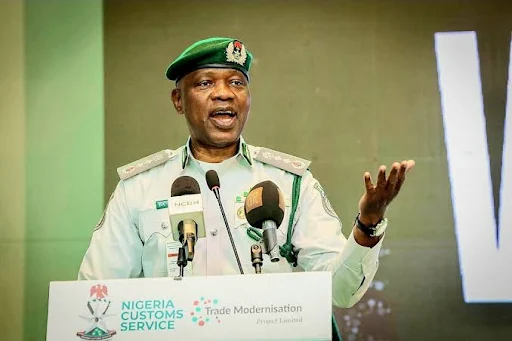
At the heart of this initiative is the Comptroller-General of the Nigeria Customs Service (NCS), Bashir Adewale Adeniyi, whose leadership and commitment to customs modernisation, international cooperation and trade facilitation have helped create a platform for broader conversations about the future of African trade.
The organisation of the two conferences reflects an opportunity to extend Nigeria’s customs reform agenda beyond its national borders and encourage stronger collaboration among African customs administrations.
The first event, the Comptroller-General of Customs Conference 2026, scheduled for December 7–8, will focus on the theme, “Securing Borders, Enabling Trade.”
The second, C-PACT 2026, scheduled for December 9–11, will explore the theme, “One Border, Interconnected System: Advancing Customs Cooperation Through One-Stop Border Posts.”
Although organised under different themes, both conferences share a common vision: building a safer, smarter and more interconnected Africa where effective border security supports legitimate trade and economic prosperity.
Adeniyi’s Reform Agenda and the Bigger African Vision
Since assuming office as Comptroller-General in June 2023, Adeniyi has pursued an ambitious reform agenda aimed at transforming the Nigeria Customs Service into a more technology-driven, transparent and efficient institution.
His administration has placed considerable emphasis on digital customs operations, automation, intelligence-led enforcement, revenue transparency and improved engagement with stakeholders.
Among the major initiatives associated with his leadership is the Nigeria Customs Trade Modernisation Project, designed to automate customs operations and improve the efficiency of cargo processing and clearance.
The introduction of the B’Odogwu Unified Customs Management System and Nigeria’s participation in the National Single Window initiative also reflect the broader ambition to reduce bureaucratic bottlenecks, strengthen institutional coordination and improve the trading environment.
These reforms have positioned customs modernisation as an important component of Nigeria’s economic and regional trade agenda.
Beyond domestic reforms, Adeniyi has also taken Nigeria’s customs diplomacy to the international stage, including his emergence as Chairman of the World Customs Organisation Council in June 2025, a development that further strengthened Nigeria’s visibility in global customs discussions.
His efforts to promote customs cooperation, modernisation and trade facilitation provide an important context for the two December conferences.
Why the Two Conferences Matter
The first conference’s emphasis on securing borders while enabling trade speaks directly to the difficult balance facing customs administrations across Africa.
From smuggling and illicit trade to transnational organised crime and other cross-border security challenges, African countries must strengthen their border management systems without creating unnecessary obstacles for legitimate businesses.
This requires investment in technology, intelligence sharing, coordinated enforcement and modern inspection systems.
However, border security alone cannot deliver the continent’s economic aspirations without efficient trade procedures.
This is where C-PACT 2026 becomes particularly relevant.
The One-Stop Border Post concept offers an opportunity for neighbouring countries to coordinate customs inspections, documentation and clearance procedures, reducing duplication and unnecessary delays in the movement of goods.
For a continent pursuing deeper economic integration through the African Continental Free Trade Area (AfCFTA), such cooperation is essential.
The success of the continental free trade initiative will depend not only on agreements between governments but also on the ability of customs administrations to translate those commitments into practical outcomes for businesses, manufacturers, exporters and ordinary citizens.
From Dialogue to Action
The decision to host the two conferences within the same week creates an opportunity to connect discussions on border security with practical solutions for trade facilitation.
A secure border without efficient trade processes can become an obstacle to economic development, just as an open border without effective security coordination can expose countries to serious vulnerabilities.
Africa therefore needs a customs framework that brings both priorities together.
Through digital customs systems, intelligence sharing, interconnected border infrastructure and stronger institutional partnerships, African countries can build more predictable and efficient trade corridors.

For Adeniyi, the significance of the conferences goes beyond hosting international gatherings. They provide an opportunity to advance conversations around reforms that can strengthen Nigeria’s position in regional trade while contributing to a more integrated African customs system.
The Test of Leadership and Continental Cooperation
While the conferences are expected to attract important stakeholders, their ultimate value will be measured by the practical recommendations, partnerships and commitments that emerge from the discussions.
Adeniyi’s leadership in bringing these platforms into focus presents an opportunity to further demonstrate Nigeria’s willingness to contribute to solutions addressing Africa’s shared customs and border management challenges.
However, the real challenge will be ensuring that the ideas generated translate into improved border operations, reduced trade barriers, stronger security cooperation and measurable economic benefits.
As Africa continues its journey towards economic integration, its borders must increasingly become gateways for legitimate commerce, investment and regional cooperation rather than barriers to opportunity.
Ultimately, the two conferences carry one important message: Africa cannot achieve meaningful trade integration without secure borders, and sustainable border security cannot be achieved without cooperation.
For Adeniyi and the Nigeria Customs Service, the December conferences offer an opportunity to turn this shared vision into a stronger framework for a safer, smarter and more prosperous Africa.