

















Live News
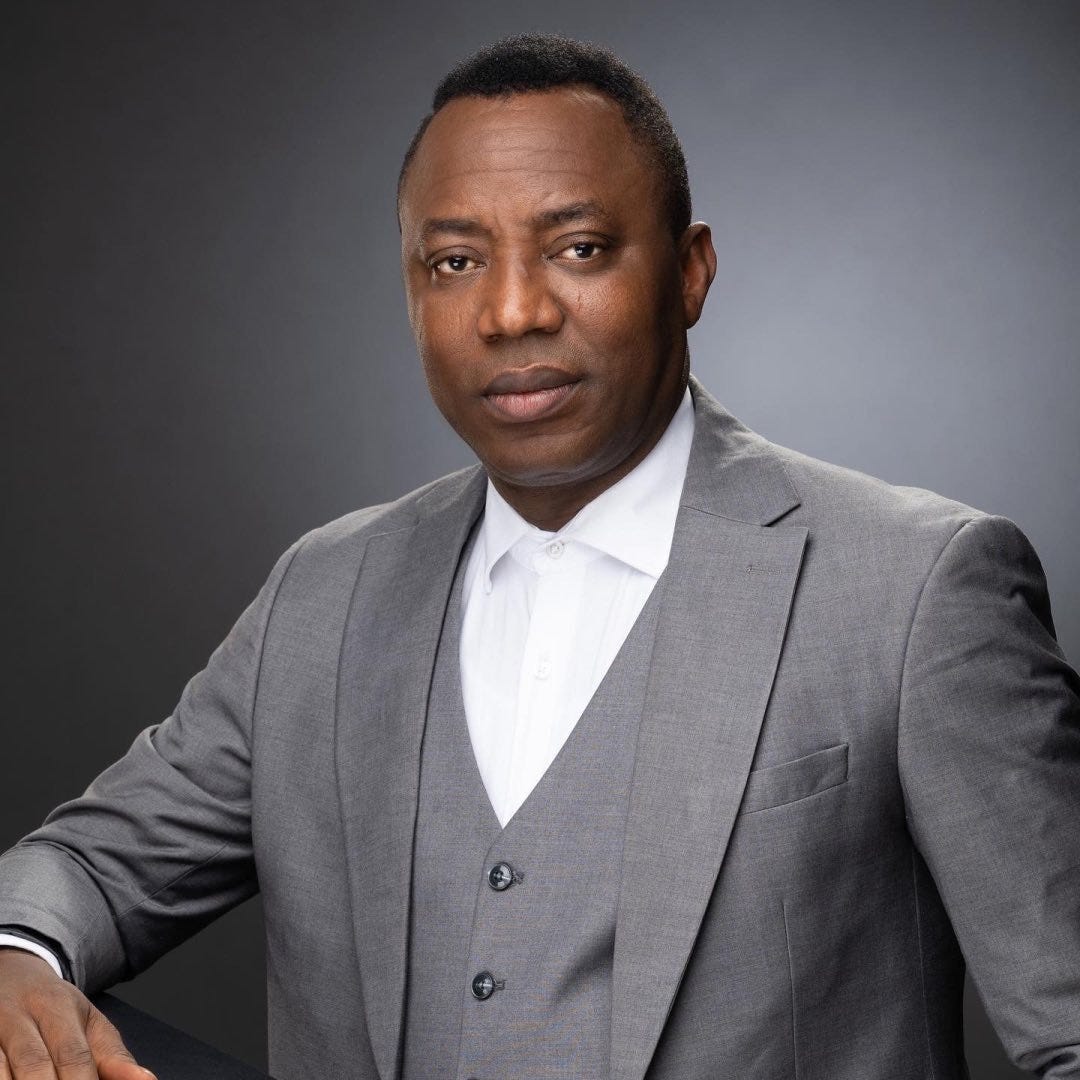
FROM ACTIVISM TO ASO ROCK: CAN PROTEST POLITICS WIN POWER?
MOVEMENT OR MACHINERY? PETER OBI’S BIGGEST 2027 QUESTION
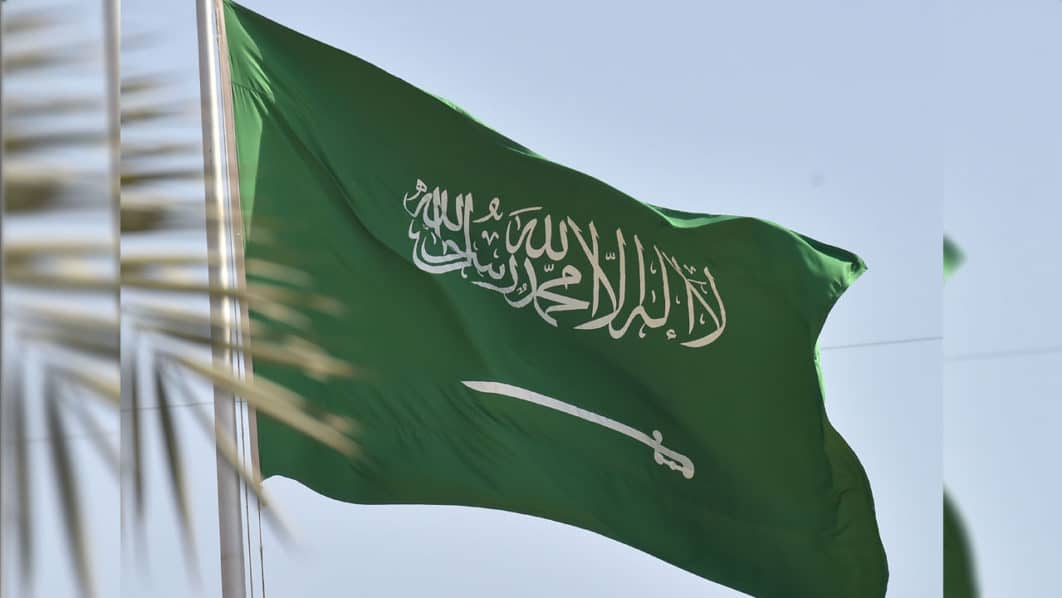
Two Nigerians arrested over drug trafficking in Saudi Arabia
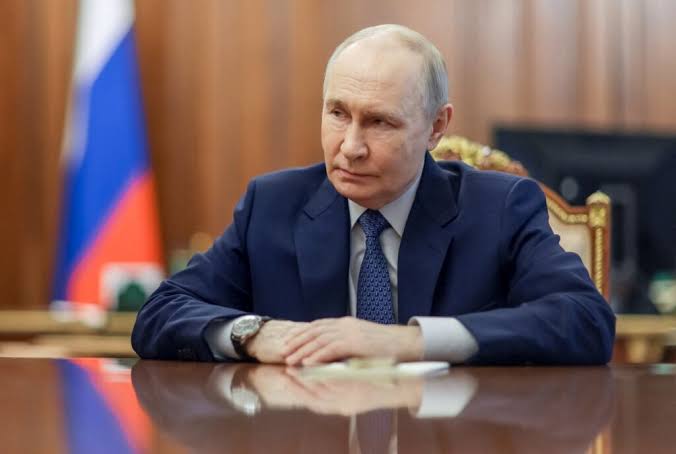
Putin sacks Murmansk governor Chibis over corruption charges
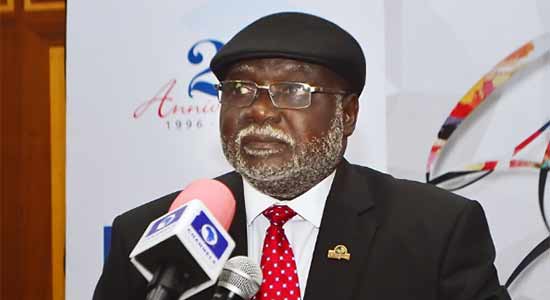
Ex-CJN, IGP raise alarm over political tension ahead of 2027 elections
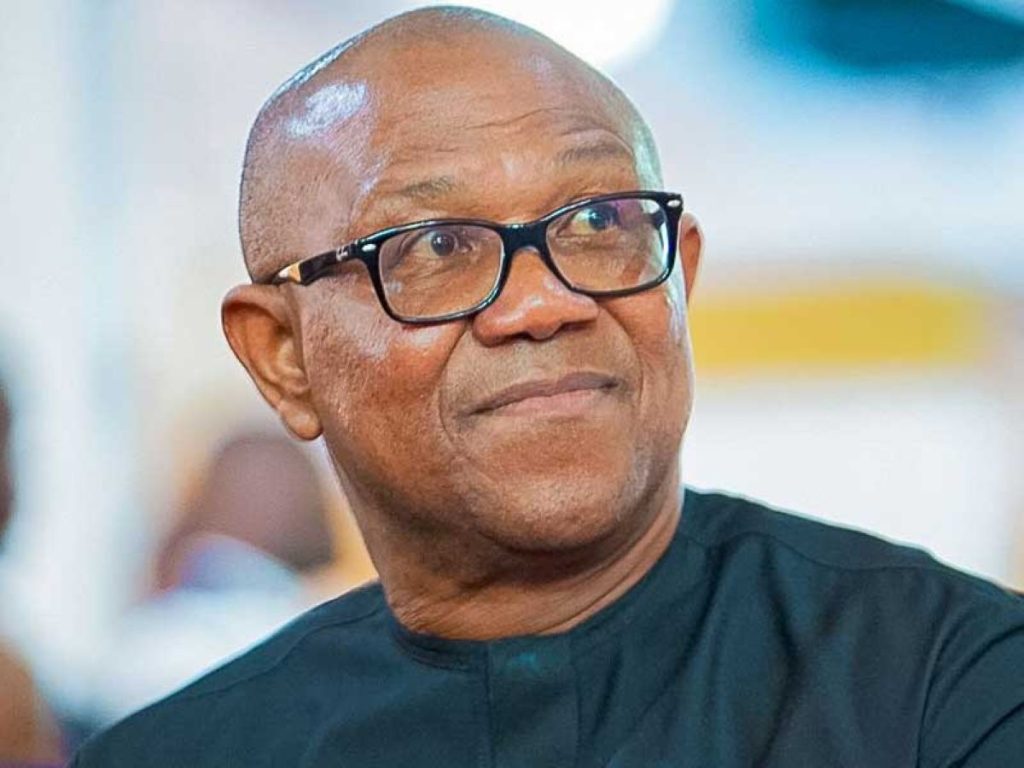
Peter Obi has something most politicians spend millions trying to manufacture: a movement. The question is whether a movement can defeat a machine on election day.
Peter Obi enters the 2027 presidential race with an asset that cannot be dismissed: strong favourability. In SBM Intelligence’s mid-2026 voter sentiment tracker, Obi recorded a net favourability of +58.3, the only major candidate in positive territory in that survey. Tinubu was recorded at -58.5. The figures measure sentiment, not votes, but they expose the central paradox of Obi’s campaign: he may have the enthusiasm, but enthusiasm is not the same thing as organisation.
In 2023, Obi demonstrated the power of a political movement. Running under the Labour Party, he won 6,101,533 votes, finishing third behind Bola Tinubu and Atiku Abubakar. His campaign broke through traditional expectations, particularly among younger voters and urban communities, and turned “Obidient” into one of Nigeria’s most recognisable identities.
Four years later, the question has changed.
Can Peter Obi turn the Obidient movement into an electoral machine?
FROM THE OBIDIENT WAVE TO THE NDC
The 2023 campaign was built around Obi’s personal brand, social-media mobilisation, youth enthusiasm and frustration with established parties. But movements and political parties operate differently.
A movement can generate excitement quickly. A party must build ward structures, raise money, deploy agents and coordinate thousands of people.
Obi’s political journey since 2023 has exposed that distinction. After the Labour Party’s internal crises and leadership disputes, he eventually left the party, moved through opposition coalition negotiations and emerged as the presidential candidate of the Nigeria Democratic Congress, with Rabiu Musa Kwankwaso as his running mate.
The NDC is now the formal platform, but it is a relatively new vehicle competing against parties with deeper institutional histories and established structures.
That creates an uncomfortable question: has the movement finally found a party, or has the party simply become another vehicle for the movement?
KWANKWASO: THE MACHINERY EXPERIMENT
Kwankwaso is the clearest attempt to solve Obi’s structural problem. Kwankwaso brings a substantial political network in Kano and parts of the North-West through the Kwankwasiyya movement, giving the ticket northern infrastructure Obi lacked in 2023.
On paper, the combination joins Obi’s southern and youth appeal to Kwankwaso’s northern network.
But political alliances are not spreadsheets.
The two men must integrate different political cultures, networks and support bases into one campaign. In September, the Obi-Kwankwaso Movement unveiled a 59-member campaign council covering the six geopolitical zones, the FCT and all 36 states. The NDC did not recognise it as its official presidential campaign council and publicly dissociated itself.
The movement behaved like a campaign organisation while the party insisted that the formal structure remained a party matter.
The episode exposes the central tension of the Obi campaign: who actually controls the machinery—the movement, the party or the candidates themselves?
THE POPULARITY QUESTION
Obi’s supporters can point to the numbers. The SBM tracker recorded his +58.3 net favourability and showed the strength of his appeal compared with other major candidates in that survey.
But favourability is not the same as votes.
Nigeria’s presidential elections require organisation across thousands of polling units and wards. Candidates need agents, logistics, communications, funding and discipline before, during and after voting.
The 2023 election demonstrated both the strength and limitation of Obi’s model. More than six million Nigerians voted for him, but he finished third.
The movement has proved it can produce millions of votes. What it has not proved is that it can convert that energy into the nationwide organisation required to compete with established machines.
THE PARTY-BUILDING TEST
This is where the controversy becomes uncomfortable for Obi’s supporters.
The argument that Nigeria’s political system is unfair to outsiders may resonate. But challenging an established political order requires building an alternative capable of surviving the same environment.
The Labour Party experience demonstrated how quickly political momentum can become entangled in internal disputes. Obi’s departure reinforced the distinction between loyalty to a politician and loyalty to a political institution.
The NDC now faces the same test. Can it build a structure that survives beyond Obi’s personality? Can the movement accept the discipline of a political party? Can the party accommodate the movement without controlling or diluting it? And can Obi and Kwankwaso keep their respective constituencies aligned?
A presidential campaign is an enormous organisational operation.
THE MOVEMENT’S BIGGEST CONTRADICTION
There is a striking irony at the heart of Obi’s 2027 campaign.
His political strength is his distance from the traditional establishment. His organisational challenge may be the same thing.
The Obidient movement became powerful because many supporters did not want conventional Nigerian politics. They wanted a different political culture and relationship between citizens and government.
But elections still have conventional mechanics. Someone must organise the ward, recruit the agent, coordinate local actors, handle logistics and resolve disputes when competing structures emerge.
The more successful Obi becomes, the more he must confront the machinery he once appeared to transcend.
THE OBI TEST
Peter Obi’s 2027 campaign is therefore about more than whether Nigerians still like him. It is a test of whether movement politics can become governing politics in Nigeria.
The Obidient phenomenon proved that millions of Nigerians can organise around a candidate outside the traditional political structure. His 2023 result established that clearly.
But 2027 presents a different challenge in this race now.
The NDC must transform enthusiasm into structure. Obi and Kwankwaso must transform separate political networks into one campaign. The movement must coexist with the party without becoming a parallel organisation. Supporters must transform digital visibility into physical organisation across the country.
That is the uncomfortable question.
Obi may have the crowd. He may have the message. He may have the favourability. But does he finally have the machinery?
Because in Nigerian politics, popularity can open the door. Organisation determines who is still standing when the door closes.