

















Live News
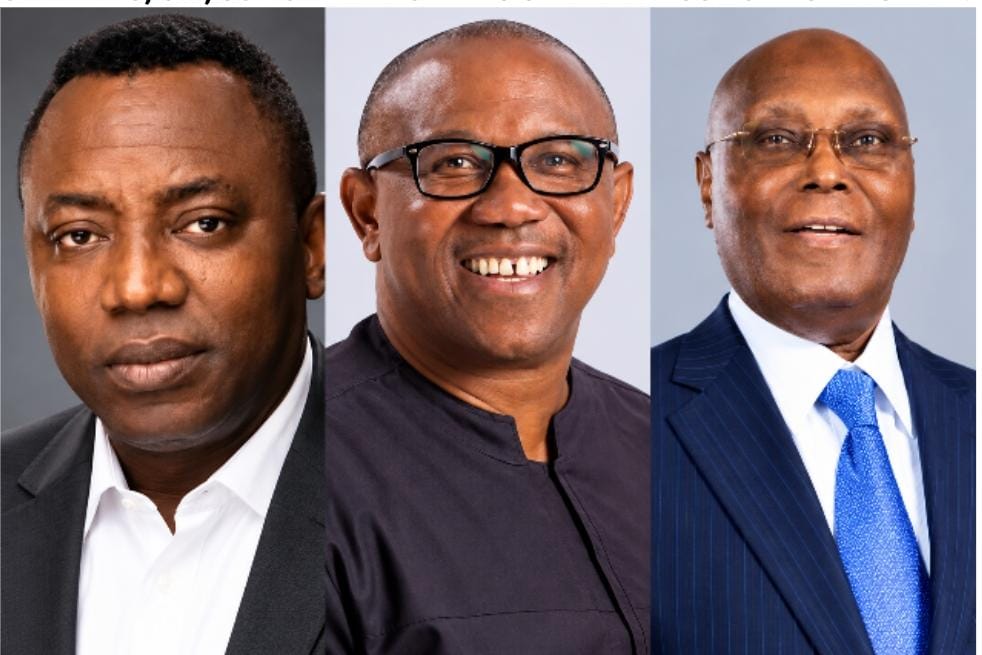
CAN ATIKU, OBI, SOWORE AND OTHERS UNITE WITHOUT ONE GIVING WAY?
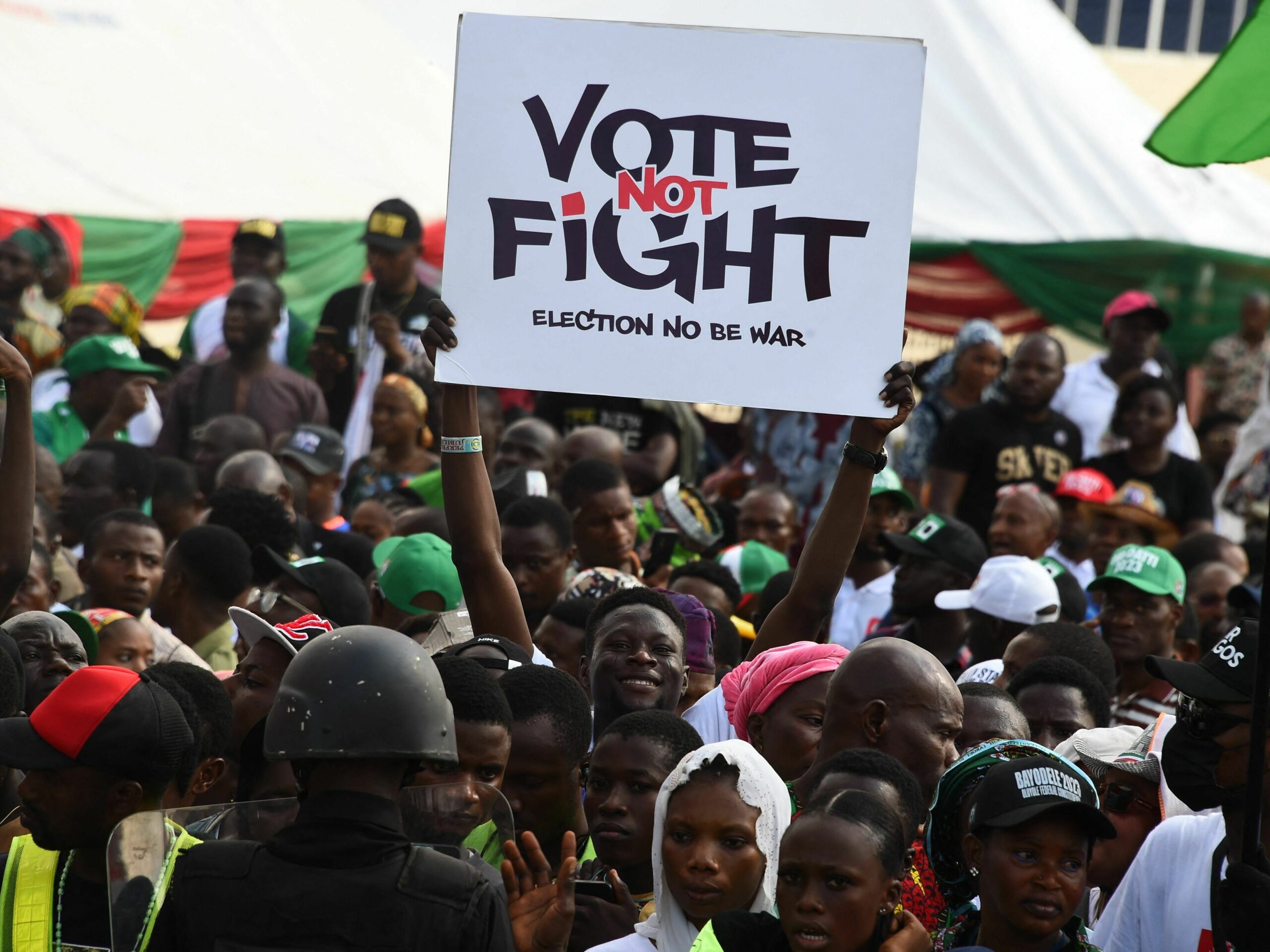
BEYOND THE SLOGANS: WHAT ARE NIGERIANS REALLY VOTING FOR?
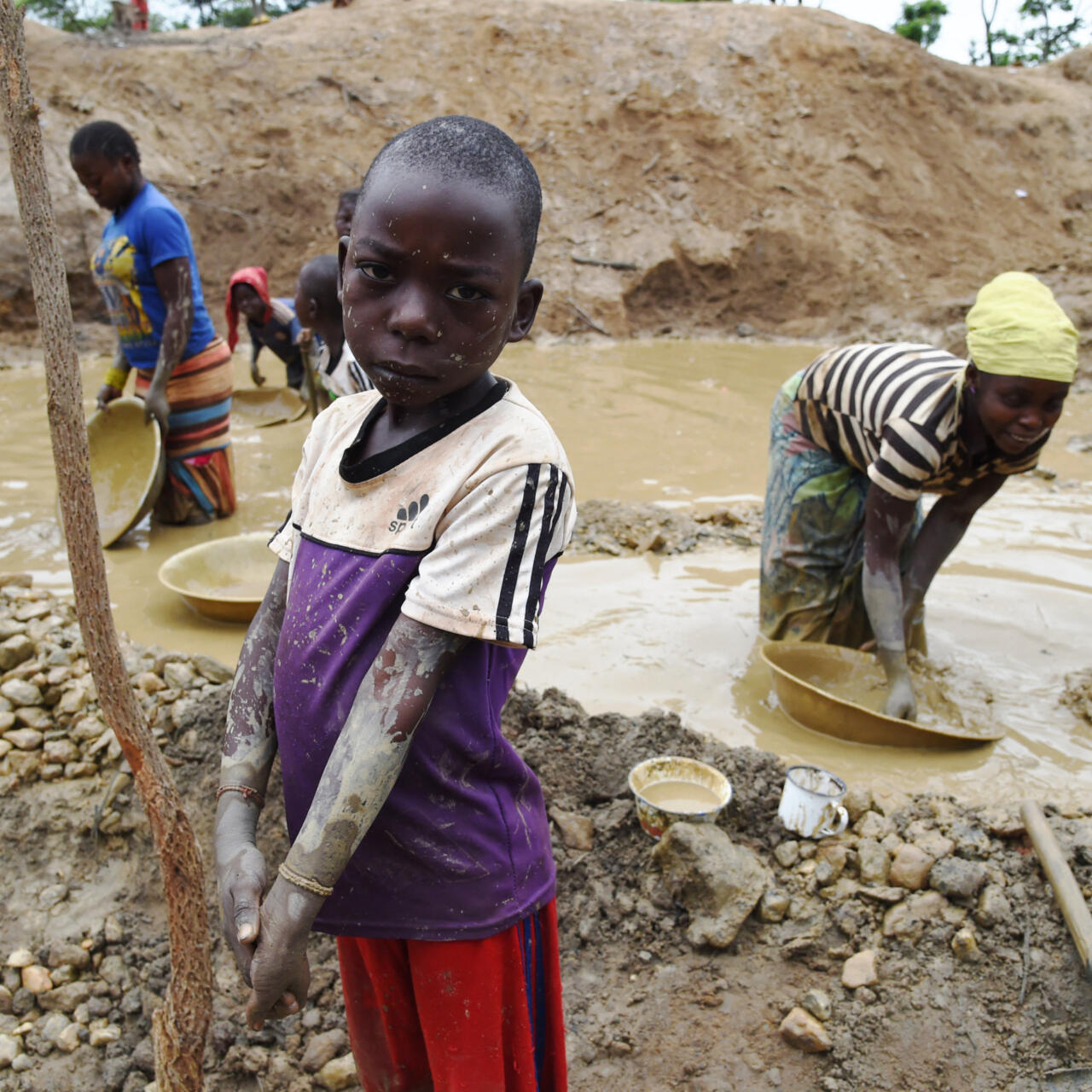
Africa’S Forgotten Children: The Growing Crisis Of Child Labour, Trafficking And Exploitation
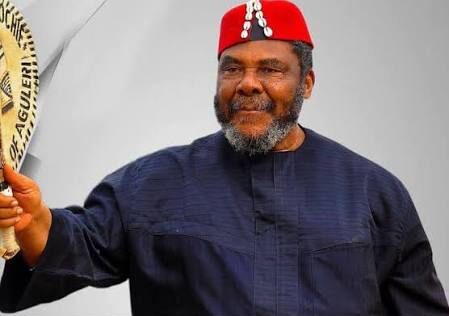
My son being blacklisted for taking second wife — Pete Edochie
The uncomfortable truth is simple: they cannot unite without somebody giving way. And, so far, none of the major contenders appears willing to surrender the presidential ticket.
That is the real story behind Nigeria’s opposition politics in 2027. Pat Utomi’s Movement for Credible Elections is engaging opposition candidates in talks aimed at producing a single candidate. The G-100 has also urged major opposition figures to subordinate personal ambition to a common platform. Yet the final INEC list contains 18 presidential candidates, including Atiku Abubakar, Peter Obi, Omoyele Sowore and Seyi Makinde on separate tickets.
The opposition keeps discussing unity. The ballot is telling a different story.
THE UNITY THAT NEVER ARRIVED
The original coalition dream was much bigger than what finally emerged. Atiku, Obi, Rotimi Amaechi, Nasir El-Rufai and other figures were involved in discussions about building a common opposition platform. The ADC eventually became Atiku’s vehicle, with Amaechi as his running mate. Obi moved to the NDC with Rabiu Kwankwaso. Sowore remained with the AAC. Makinde is contesting under the APM.
If voters dissatisfied with the incumbent are distributed among several candidates, no single opposition campaign automatically inherits all that dissatisfaction. But every candidate has supporters who believe their preferred politician offers something the others do not.
THE STEP-DOWN PROBLEM
A genuine single-candidate coalition requires a difficult decision. At least one major presidential contender must accept that another person will lead the ticket.
That is where opposition unity collides with presidential ambition.
Atiku has described 2027 as his final presidential contest. At 79, there is little obvious incentive for him to withdraw. Obi enters with a powerful personal following and a movement that regards him as a vehicle for generational change. Sowore has built his identity around rejecting the established political class and has resisted coalition arrangements he regards as elite bargaining.
Makinde and other candidates also remain on the ballot.
Unity is not impossible. It has a price, and the price is political sacrifice.
That is the price of unity.
THE ATIKU-OBI DEADLOCK
The most consequential rivalry is between Atiku and Obi because both occupy substantial sections of the opposition space while offering different political propositions.
Atiku brings experience, extensive political relationships and a long-established northern network. Obi brings strong personal favourability, youth appeal and the legacy of the Obidient movement.
Each camp can construct an argument for why its candidate should become the consensus choice. That is precisely why agreement is difficult.
If Atiku steps aside, his supporters could argue that experience and organisation have been sacrificed for sentiment. If Obi steps aside, his supporters could argue that the political establishment has again neutralised a movement demanding generational change.
The result is a stalemate in which everyone can support unity while disagreeing over the person around whom unity should be built.
SOWORE AND THE POLITICS OF REFUSAL
Then there is Sowore, whose position makes the coalition equation harder.
Sowore does not merely want a different opposition candidate. He challenges the political establishment itself. His refusal to join elite single-candidate negotiations is consistent with the political identity he has built over years.
For his supporters, joining a coalition with established politicians could mean surrendering the principles that distinguish the AAC. For critics, refusing every coalition means remaining outside the arithmetic required to build a larger national opposition.
Sowore can preserve ideological independence by standing alone. But independence also means competing for voters who might otherwise be available to a broader opposition arrangement.
THE CONTROVERSIAL DIAGNOSIS
The opposition’s problem is not a shortage of meetings. It is a shortage of willingness to lose individually in order to create something collectively larger.
Every major politician can say unity is necessary. The real test begins when the question becomes: “Unity behind whom?”
A politician can sincerely believe that the country needs an opposition coalition while simultaneously believing that he or she is the best person to lead it. Those positions are not automatically compatible.
Nigeria has seen this problem before. In 2023, major opposition candidates competed separately, and the opposition vote was divided among Tinubu, Atiku and Obi. The 2027 ballot again contains multiple prominent opposition candidates.
Whether that division affects the result is something only the election can establish. But the fragmentation itself is already visible.
UNITY AS A SLOGAN
The opposition may eventually reach a deal. The current Utomi-led talks show that efforts toward a single candidate have not disappeared. The G-100 and other groups continue to push the argument that personal ambition should give way to a common platform.
But a deadline is approaching.
Campaign structures are being built. Running mates have been selected. Parties have invested political capital. Candidates are already presenting themselves to voters.
The closer the election comes, the more expensive withdrawal becomes.
The next stage will be less about whether unity sounds desirable and more about who is prepared to surrender the political machinery already built around them.
THE REAL QUESTION
Can Atiku, Obi, Sowore and others unite without one giving way?
The blunt answer is that a genuine single-ticket arrangement requires somebody to give way. A coalition can share policy, campaign structures and legislative ambitions, but a presidential ballot ultimately has one candidate at the top.
That is the contradiction confronting Nigeria’s opposition.
They want the strength of unity without necessarily accepting the humiliation of surrender.
Atiku does not want to become Obi’s running mate. Obi does not want to become Atiku’s political junior. Sowore does not want to become part of the establishment he has spent years attacking. Other candidates have their own calculations.
So the opposition faces a choice that no meeting can disguise.
Someone must lead. Someone must follow. Someone must sacrifice the personal ambition of the moment for the collective ambition of the coalition.
Until somebody is prepared to do that, opposition unity remains what it has repeatedly been in Nigerian politics: an attractive slogan competing against individual ambition.
And slogans do not occupy the presidency. Candidates do.