




















Live News
US, Iran war cannot be settled through military action
Putin cannot admit ‘mistake’ over Ukraine — Mikhail Kasyanov
Ronaldo remains Portugal’s greatest footballing icon — Fernandes
Oil prices slump on G7 fuel release
Ebola death toll surpasses 4,000 in DR Congo
Tinubu has failed on protecting Nigerians from economic hardship —Atiku
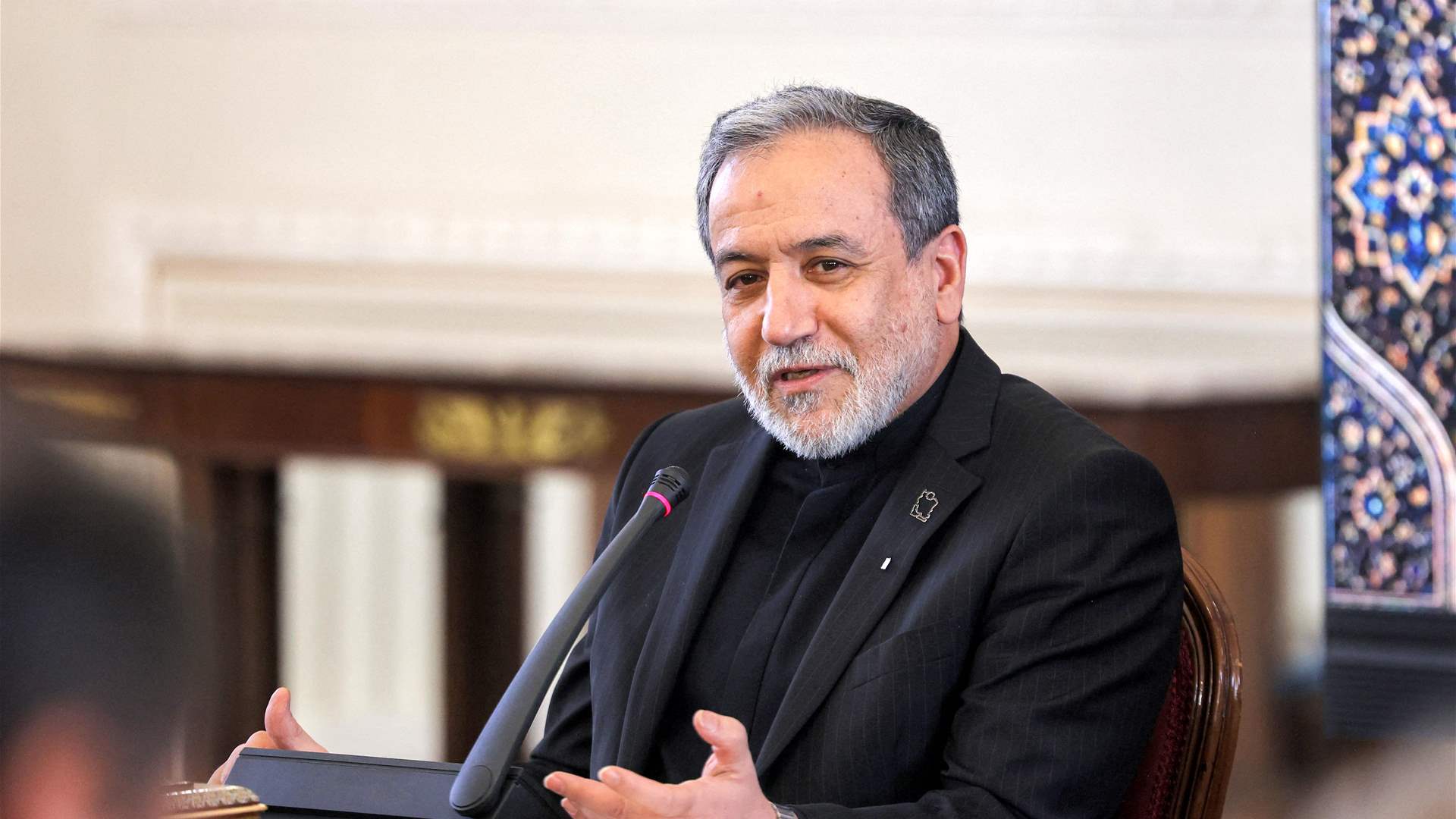
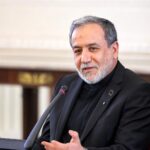
Iranian Foreign Minister Abbas Araghchi said on Sunday that the conflict between his country and the United States cannot be settled through military action or more sanctions.
Speaking to foreign ambassadors in Tehran, Araghchi said there was “no military solution and no solution based on more sanctions”, according to Iran’s state-run IRNA news agency.
“Only a solution grounded in negotiations, justice, and diplomatic dignity can address the situation and provide a final resolution to end this war and the unlawful aggression that has been launched against the Islamic Republic of Iran,” Araghchi said.
If Washington resorts to military action, Tehran is ready to take all necessary measures to “defend ourselves with even more force,” he warned.
A campaign of heavy bombardment failed to bring a decisive close to the war launched by the US and Israel in late February, and Washington in recent weeks has dialed back military operations in favor of economic pressure.
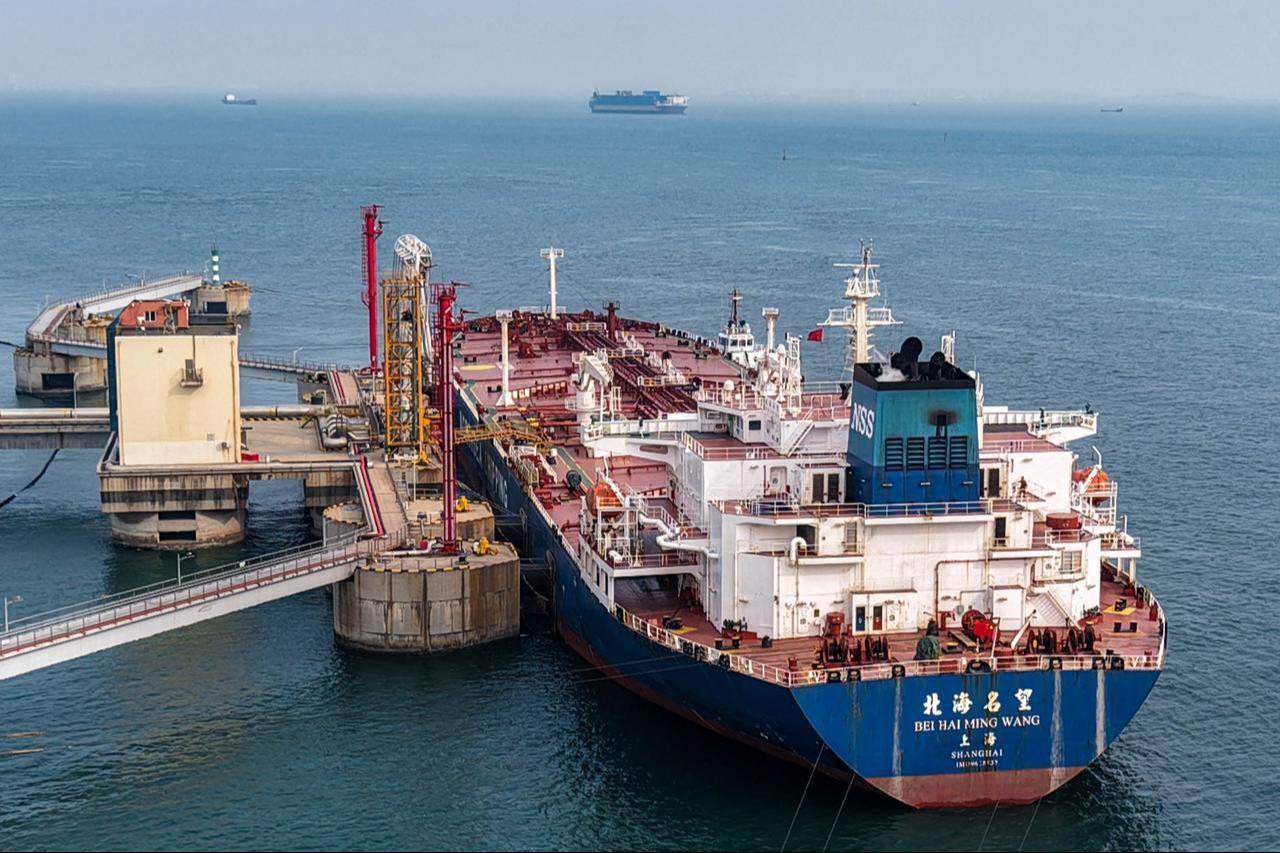
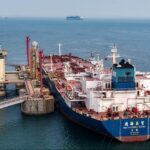
The main point of contention remains Iran’s attempt to blockade the Strait of Hormuz where a UK maritime agency reported on Sunday another tanker struck by an unknown projectile.
The US and Israel launched a war against Iran on Feb. 28. Tehran responded with missile and drone attacks across the region and effectively closed the Strait of Hormuz, a strategic route for energy supplies. The US military later imposed a naval blockade on Iranian ports.
Efforts to end the war have continued since a June 18 framework deal, which seeks to pave the way for a final peace agreement covering navigation through the strategic waterway and Iran’s nuclear program.
The two sides agreed a memorandum of understanding in June that spelled out a framework for a permanent resolution, but Iranian attacks on vessels in the Hormuz prompted a return to US military operations.
On Sunday, the British maritime security agency UKMTO said a tanker in the Hormuz “reported being struck by an unknown projectile, causing damage to the engine room”, though the crew were reported safe and no environmental impact was recorded.
The agency did not specify the date of the incident, the vessel’s origin or destination, or whether it was an oil tanker or LNG carrier.
Iranian and US officials last week held indirect talks on the sidelines of the UN General Assembly, with Tehran saying it presented seven conditions for reopening the strait.
Iran has demanded, among other things, a ceasefire across the Middle East, the unfreezing of its assets abroad, the lifting of sanctions on its oil sector and an end to the US naval blockade.
Trump, however, rejected the proposal, while leaving the door open both to further talks or renewed military operations.
Iranian foreign ministry spokesman Esmaeil Baqaei on Sunday characterized the latest US counterproposal as being “in line with their previous proposals concerning nuclear issues”.
“We have clearly indicated that we are focusing on the issue of the Strait of Hormuz,” he said, adding that reopening the waterway required “an end to the disruptions to Iranian commercial maritime traffic and the lifting of sanctions”.