























Live News
PRINCESS JOY IDAM TO NAFDAC: VERIFY CLAIMS OF HARMFUL CHEMICALS IN SANITARY PADS
Italy plans to ban burqas and niqabs in schools
Iran says it has given US conditions for reopening Hormuz
Maresca wants 1-0 wins after eight-goal Man City thriller
Mourinho questions referee decisions in Real Madrid derby loss
Man United salvage Fulham draw as pressure mounts on Carrick
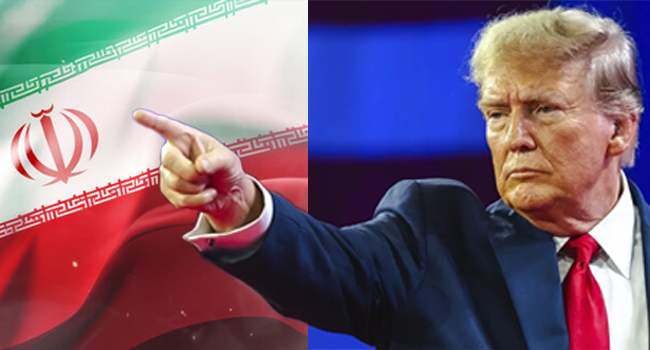
US President Donald Trump says he is not pleased with a new proposal from Iran, as peace talks between both countries remain stalled despite a ceasefire that has lasted for weeks.
Iran reportedly sent the proposal through Pakistan on Thursday, but details of the offer have not been made public.
Speaking to reporters on Friday, Trump said the proposal does not meet expectations and blamed internal disagreements within Iran’s leadership for slowing down negotiations. He said the US is faced with two choices — either escalate military action or continue pursuing a diplomatic agreement — but noted he would prefer a peaceful solution.
The conflict, which began on February 28 with coordinated attacks by the United States and Israel, has been paused since April 8 under a ceasefire agreement. However, only one round of direct talks has taken place, and it ended without progress.
Meanwhile, Iran continues to control the Strait of Hormuz, limiting the global supply of oil, gas, and fertiliser. In response, the US has enforced restrictions on Iranian ports.
Despite the deadlock, the ceasefire is still holding. Iran’s judiciary chief, Gholamhossein Mohseni Ejei, said the country is open to negotiations but will not accept pressure or imposed conditions, even as it seeks to avoid a return to war.
Reports suggest that US envoy Steve Witkoff recently proposed changes to earlier terms, including restrictions on Iran’s nuclear activities during ongoing talks.
Although news of Iran’s proposal briefly pushed down global oil prices, they remain significantly higher than before the conflict due to the continued closure of the Strait of Hormuz.
Efforts are ongoing internationally to reopen the waterway. European Union foreign policy chief Kaja Kallas has reportedly discussed the issue with Iran’s foreign minister, Abbas Araghchi.
Inside Iran, many citizens are feeling the economic impact of the crisis. Rising inflation and reduced exports have made basic needs like food and housing increasingly difficult to afford.
In the United States, the war has also sparked political debate, particularly over whether the president followed legal procedures in launching military action. The White House maintains that the ceasefire pauses any legal deadlines for congressional approval.
Trump, facing growing domestic pressure due to rising inflation and upcoming elections, insists the US is making progress and described the situation as a “big victory.”
At the same time, the US has imposed fresh sanctions on Iranian financial firms and warned that any payments made to Iran for safe passage through the Strait of Hormuz could attract penalties.
While diplomatic efforts continue, uncertainty remains over whether the talks will succeed or if the conflict could resume.