























Live News
Trump suggests renaming New Mexico ‘New America’
Gatti rescues Juventus in draw with AC Milan
DR Congo wedding fire kills 12
Carrick defends Man United start despite defensive concerns
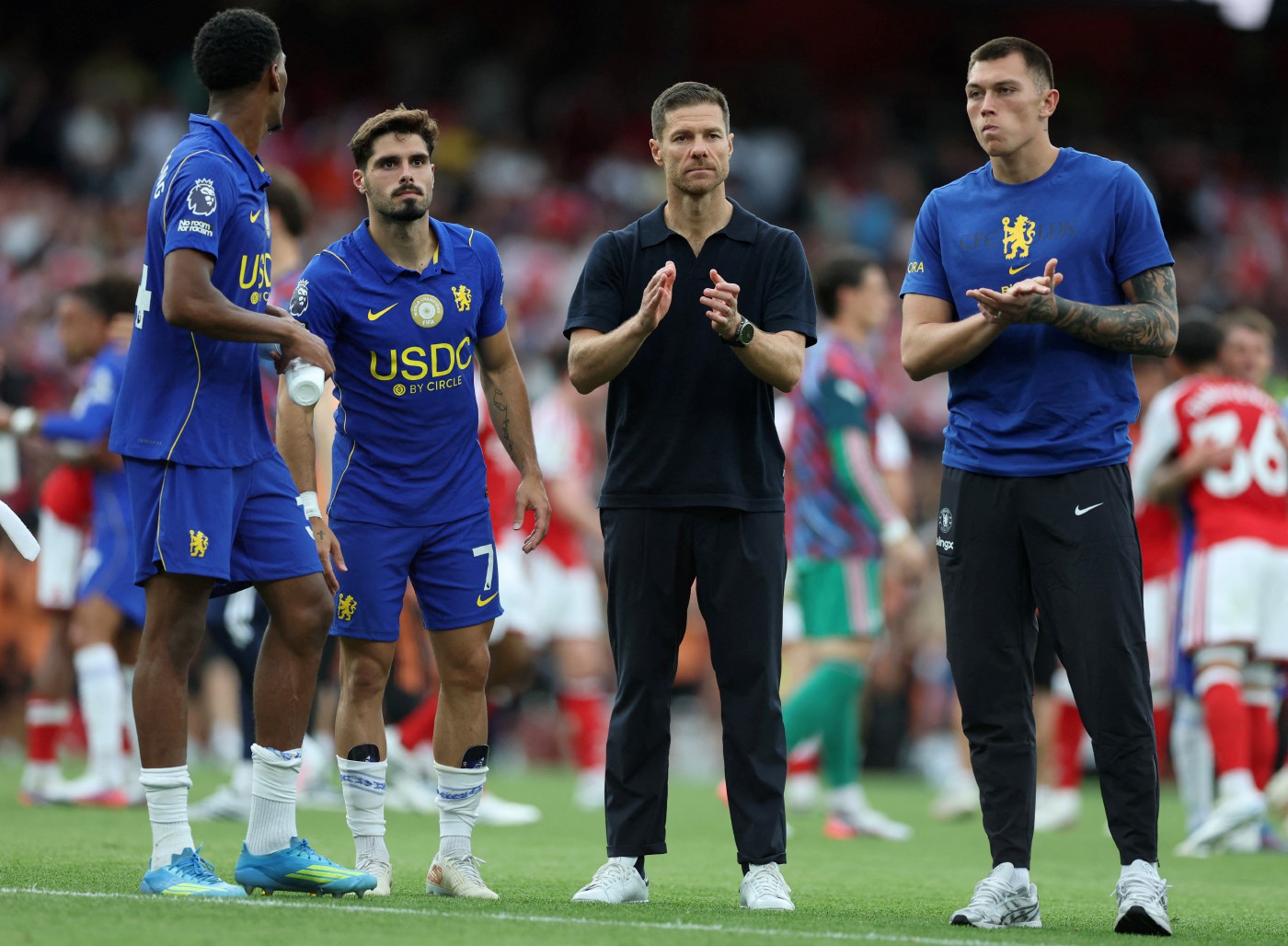
Alonso tells Chelsea to learn from Arsenal defeat
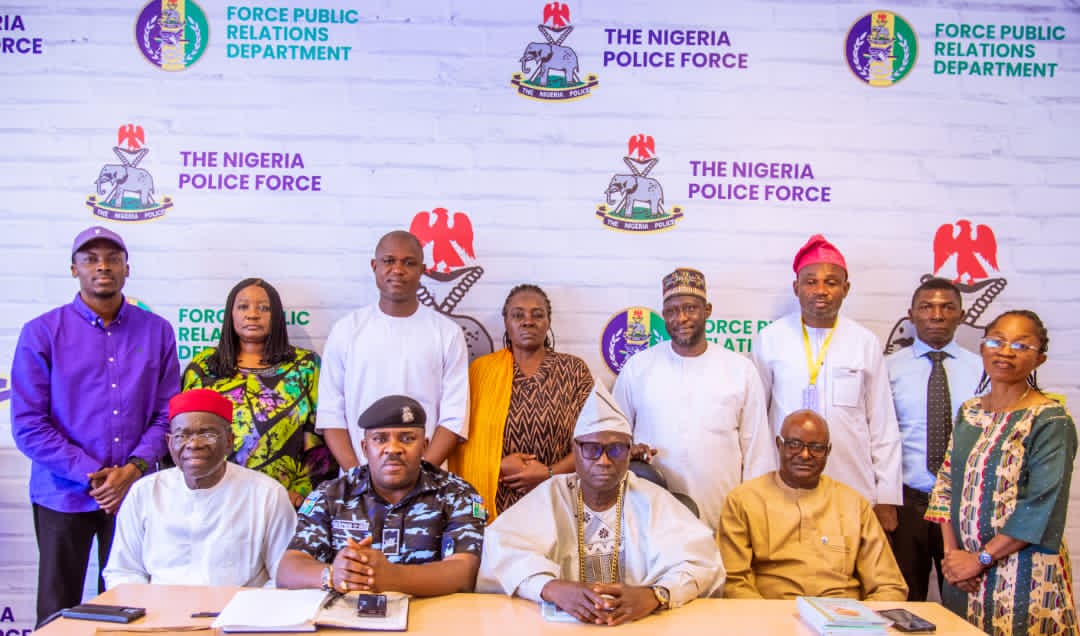
2027 POLLS: PCRC TAKES COMMUNITY SECURITY TO THE NEXT LEVEL WITH MULTI-LAYERED ARCHITECTURE WORKSHOP
“Nigeria’s system defeats even its best leaders.” — Business Day Editorial
That statement is as stark as it is revealing. It captures the tension at the heart of Nigeria’s economic governance today, where power is no longer abstract or hidden behind closed doors.
It is visible in contracts, measurable in budgets, and contested in public hearings. The question is no longer whether deals are being made. It is who gets them, how they are decided, and what they reveal about the structure of power in Abuja.
Nigeria is currently experiencing one of the most ambitious infrastructure pushes in its history. Trillions of naira are being committed to roads, ports, and energy projects. Foreign loans are being secured to finance long stalled ambitions. On paper, this signals progress. It suggests movement, urgency, and a government determined to deliver. Yet beneath this surface lies a more complex reality. Deals are increasingly visible, but scrutiny remains limited. The public sees the announcements, the figures, and the groundbreaking ceremonies, but the deeper processes behind contractor selection, financing structures, and political influence remain difficult to trace.
At the centre of this dynamic is Bola Ahmed Tinubu, whose administration is driving this wave of economic activity. What is becoming clear is that infrastructure is not just about development. It is also about power. The allocation of contracts, the approval of loans, and the prioritisation of projects are shaping a system where access to economic opportunity is closely tied to political alignment.
This reality was brought into sharp focus on February 11, 2026, during a National Assembly session that was expected to be routine. Works Minister David Umahi appeared before lawmakers to defend a budget of 3.4 trillion naira. What unfolded instead was a confrontation that exposed how deeply politics is embedded in the mechanics of public spending. Senator Adams Oshiomhole questioned the reassignment of the Abuja Kaduna Zaria Kano road project from Julius Berger, a well-established construction company, to Maikano, a firm lawmakers openly criticised for lacking the capacity to handle such a project. The issue quickly moved beyond technical competence. It became a test of political control.
Umahi did not deny the decision. He challenged lawmakers to inspect the project themselves and pledged to resign if the work failed to meet standards. The exchange that followed descended into open conflict among senators, with party loyalty overtaking procedural order. One lawmaker asserted his authority based not on rules but on his position within the ruling party. In that moment, the hearing ceased to be about oversight and became a display of political hierarchy. It revealed that contracts are not merely administrative decisions. They are instruments of influence, defended not just with data but with power.
A different but equally revealing example emerged on April 23, 2026, when President Tinubu requested Senate approval for a loan of 516.33 million dollars from Deutsche Bank. The funds were earmarked for the Sokoto Badagry Superhighway, a project that has existed in Nigeria’s plans for more than fifty years. The scale of the project is significant. It is designed to connect the northwest to the southwest, two regions that hold both economic and political importance. The financial terms of the loan include a nine year tenure, a three year grace period, and an interest structure tied to international benchmarks. The federal government is also expected to contribute 265.5 billion naira for land acquisition.
Supporters of the project argue that it will transform mobility and reduce travel time dramatically. Yet the deeper question is not about its potential benefits but about its prioritisation. Why this project, and why now. The answer may lie not only in development needs but in political calculation. Infrastructure decisions are rarely neutral. They often reflect strategic considerations about influence, connectivity, and electoral significance. In this sense, roads are not just physical pathways. They are extensions of political reach.
While federal projects dominate headlines, developments at the state level reveal another layer of the power economy. In Lagos, Governor Babajide Sanwo Olu has taken steps to reshape the state’s energy landscape. On April 26, 2026, agreements were signed with independent power producers to increase electricity generation from 60 megawatts to 400 megawatts. This move followed the transfer of regulatory authority from the national level to the Lagos State Electricity Regulatory Commission in December 2024. The implication is clear. Lagos is building a parallel system, one that operates with a degree of autonomy from federal control.
This shift is not just technical. It is political. Lagos, as a key political stronghold, is leveraging alignment with the centre to expand its economic independence. Contracts are being awarded within a network of trusted actors, and revenue streams are being redefined. The result is a redistribution of power that moves beyond Abuja and into state level structures. It shows that access to influence is not confined to federal institutions. It is shaped by relationships, loyalty, and strategic positioning across different levels of government.
Beyond these visible developments lies a quieter but equally significant layer of economic activity. The 2026 budget includes plans to generate 189.16 billion naira through the sale of government assets, including stakes in key sectors such as energy, aviation, and agriculture. The details of these transactions are not always clear. Questions remain about who the buyers are and how these decisions are being made. At the same time, public concern has been raised over expenditures such as the 5.9 billion naira reportedly spent on rebranding the national oil company, as well as a 9 million dollar contract awarded to a foreign lobbying firm to improve Nigeria’s international image.
These decisions point to a broader pattern. Large financial flows are moving through the system, but transparency is uneven. Some transactions are highly visible, while others remain obscured. Together, they form an economic landscape where power is exercised through control of resources, information, and access.
The persistence of this system is rooted in structural realities. Nigeria’s political economy is often described as rent seeking, where competition revolves around access to state resources rather than ideological differences. Political actors operate within networks of obligation, balancing public responsibilities with the expectations of those who support them. In such an environment, reform is difficult. Efforts to increase transparency can disrupt established interests, raising the cost of change and creating resistance.
This is why the system tends to endure. Individual actors may change, but the underlying dynamics remain. Contracts continue to serve as both economic tools and political instruments. Access continues to determine opportunity. And accountability continues to be negotiated rather than guaranteed.
What is required now is not just awareness but action. Nigerians must demand greater transparency in procurement processes and clearer disclosure of how public resources are allocated. Oversight institutions must be strengthened to ensure that scrutiny is substantive rather than symbolic. The National Assembly must move beyond performative hearings and engage in rigorous, evidence based evaluation of government spending. Civil society and the media must continue to investigate and inform, ensuring that the public remains engaged.
Ultimately, the issue is not whether Nigeria builds roads, secures loans, or invests in infrastructure. It is whether these actions are guided by public interest or shaped by political alignment. Power in Nigeria today is not hidden. It is visible in every contract awarded and every project approved. The challenge is to ensure that this power is exercised responsibly, transparently, and in a way that serves the broader interests of the nation.
Because in the end, the true cost of power is not measured in billions of naira or dollars. It is measured in trust.