
























Live News
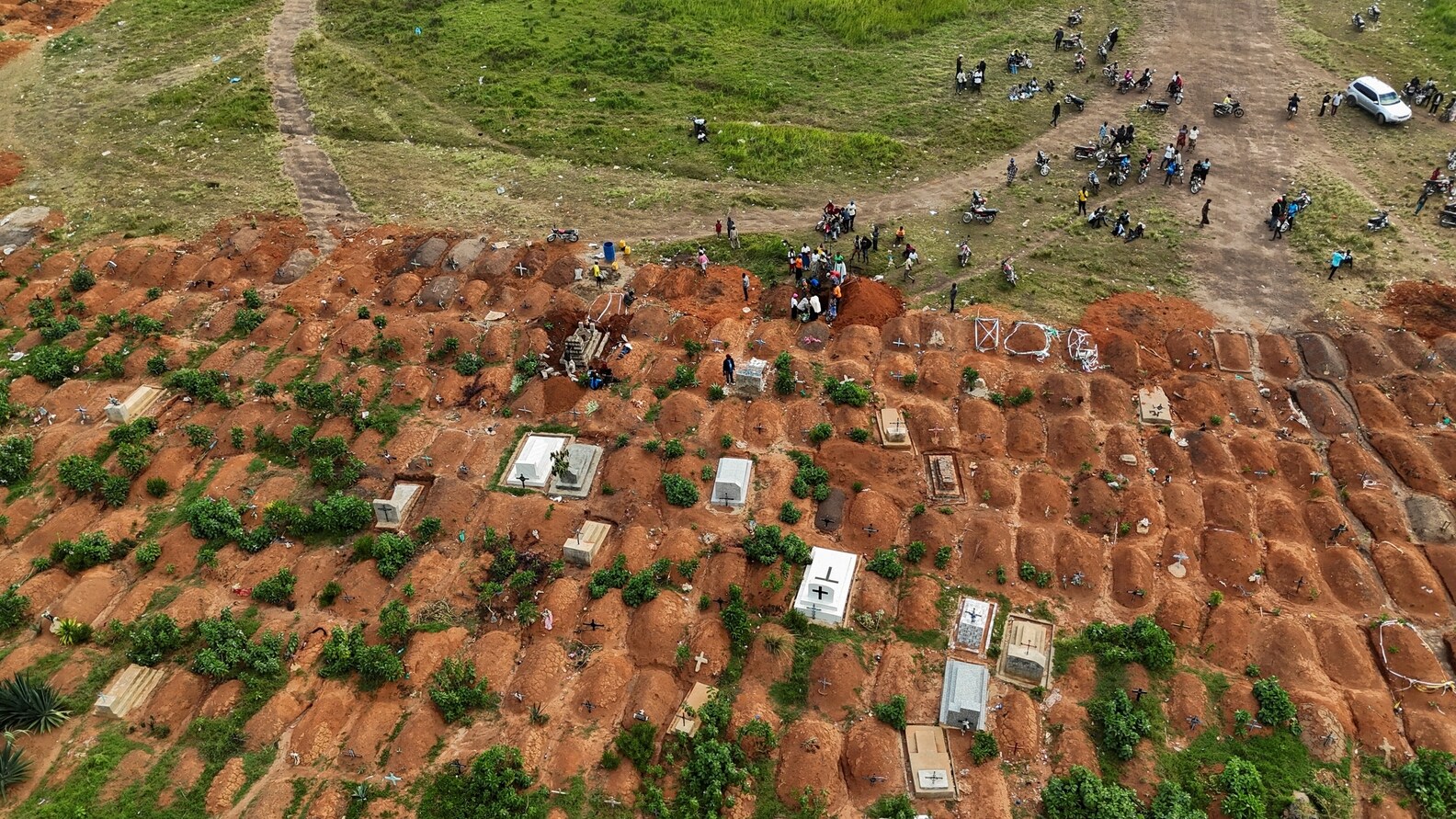
Over 9,000 Ebola cases recorded in Congo
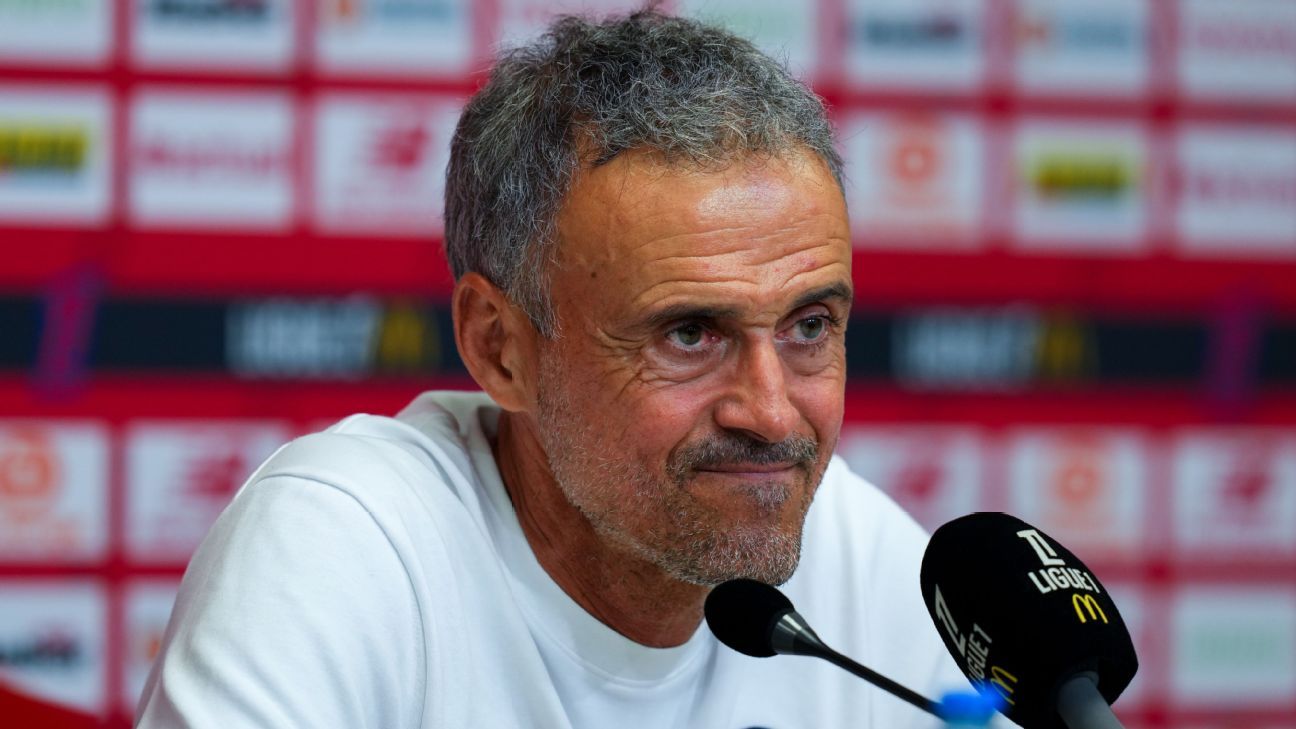
City deserve to keep titles even if guilty of financial breaches — Enrique
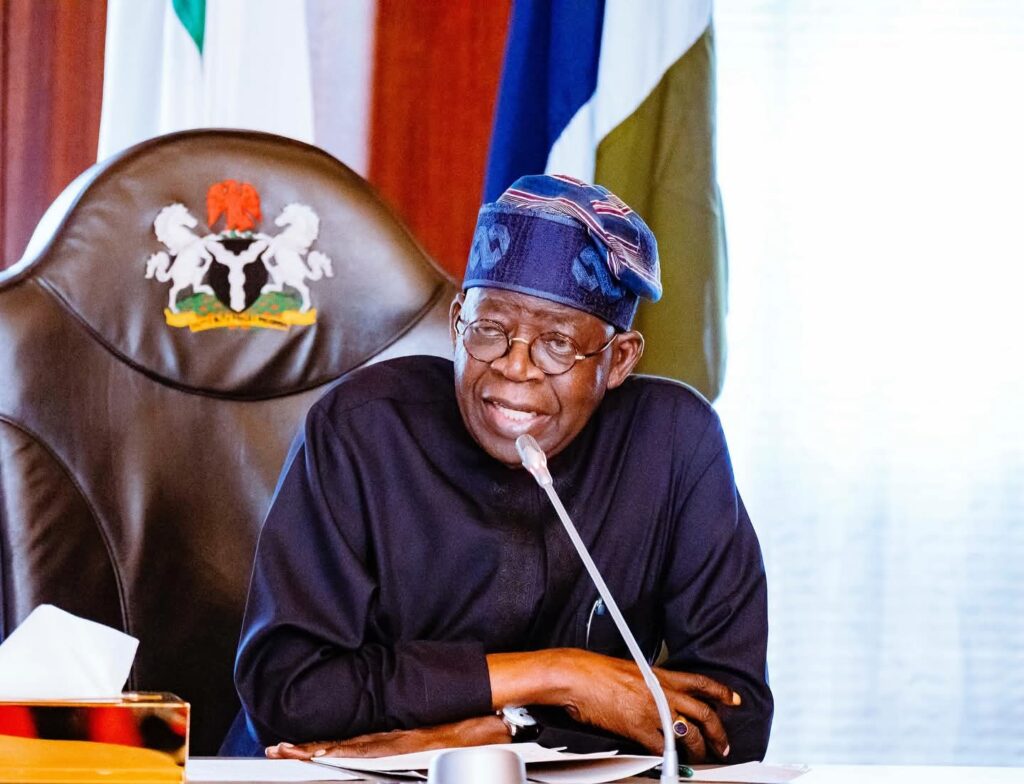
Tinubu names opposition governors in 2027 re-election campaign council
United can weather the storm after worst start in 40 years — Carrick
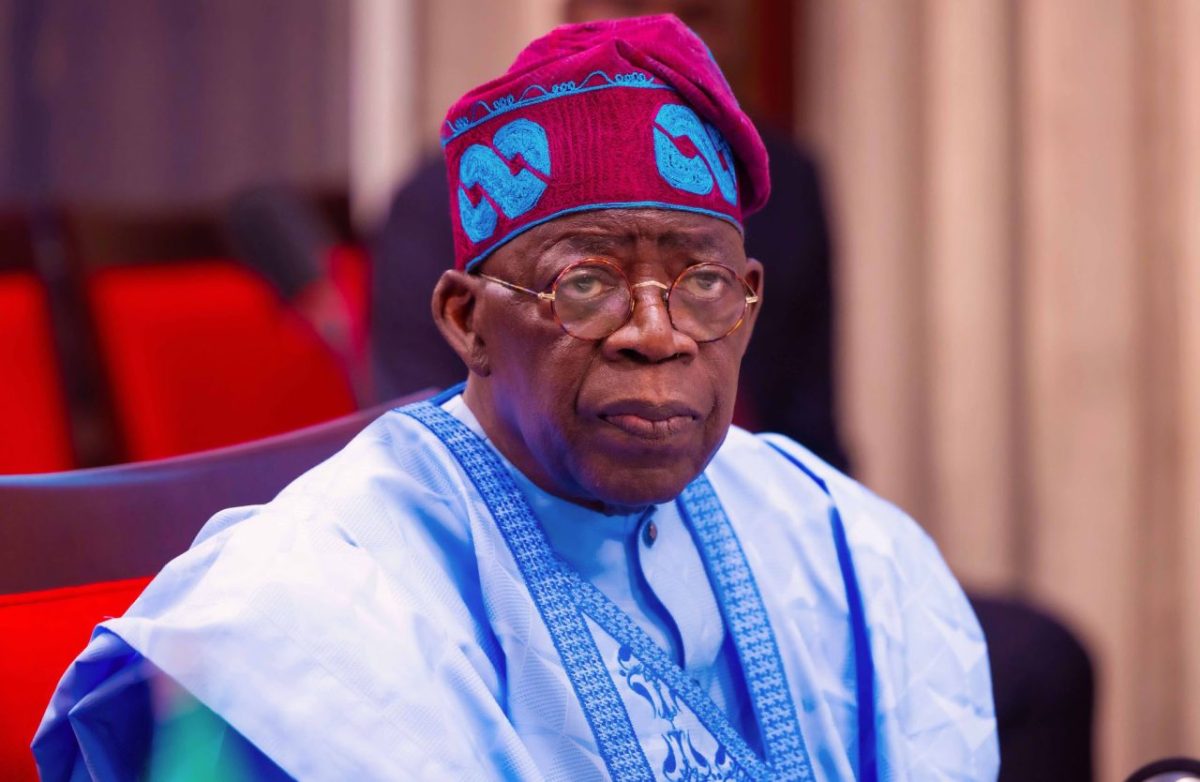
Report: Nigeria’s Multidimensional Poverty Rises to 38.7% Under Tinubu
When the annual Ojude Oba Festival transformed the ancient town of Ijebu-Ode in June 2025, hotels were fully booked, restaurants overflowed with customers, transport operators recorded booming business and social media platforms exploded with millions of images celebrating Nigeria’s cultural heritage. For a few remarkable days, culture became commerce. Local businesses prospered, visitors spent freely and the festival demonstrated what Nigeria’s cultural economy could look like if properly developed. Yet as soon as the celebrations ended, the crowds disappeared, businesses returned to normal and the economic momentum faded almost as quickly as it had arrived.
That recurring pattern raises an uncomfortable question: Why does Nigeria continue treating cultural tourism as an annual celebration instead of a year-round economic strategy? The country possesses one of Africa’s richest cultural landscapes, yet it remains a relatively small player in one of the world’s fastest-growing industries. While nations with fewer cultural assets continue attracting millions of international visitors and billions of dollars in tourism revenue, Nigeria still struggles to convert its extraordinary heritage into sustainable economic growth.
The missed opportunity is becoming increasingly difficult to ignore. According to the World Travel & Tourism Council (WTTC) Economic Impact Research 2025, travel and tourism contributed US$11.7 trillion to the global economy in 2024, representing 10 percent of global GDP, while supporting 357 million jobs, equivalent to one in every ten jobs worldwide. As international travel continues to recover, cultural experiences have become one of the industry’s strongest growth drivers. UN Tourism (formerly the United Nations World Tourism Organization) estimates that cultural tourism accounts for around 40 percent of international tourism, with millions of travellers choosing destinations because of their history, heritage, festivals, cuisine, arts and traditions rather than conventional leisure attractions alone.
By every objective measure, Nigeria should be one of the continent’s leading cultural tourism destinations. Few countries can match its diversity. Home to more than 250 ethnic groups and over 500 indigenous languages, Nigeria offers an extraordinary blend of festivals, traditional institutions, music, cuisine, architecture and historical sites. The country hosts internationally recognised heritage locations such as the Osun-Osogbo Sacred Grove in Osun State and the Sukur Cultural Landscape in Adamawa State, both designated UNESCO World Heritage Sites. Annual celebrations including the Durbar Festival, Argungu Fishing Festival, Ojude Oba Festival, New Yam Festival and Calabar Carnival showcase cultural traditions that have survived for generations and continue attracting thousands of visitors.
Yet cultural wealth alone has not translated into tourism success.
Despite its enormous cultural assets, Nigeria continues to receive significantly fewer international visitors than countries such as Morocco, South Africa, Kenya and even Rwanda, all of which have invested aggressively in positioning culture as an economic asset. A 2024 analysis by The Guardian observed that insecurity, inadequate infrastructure, inconsistent government policies, poor destination marketing and weak preservation of heritage sites remain major obstacles preventing Nigeria from fully exploiting its tourism potential.
This reality exposes one of Nigeria’s biggest development contradictions. The country frequently celebrates its cultural diversity, yet it invests relatively little in preserving, promoting and commercialising that diversity. Roads leading to major tourist attractions remain poorly maintained. Museums often lack modern exhibition facilities. Historic monuments receive inadequate preservation, while international visitors frequently encounter limited tourism information, poor transportation networks and insufficient accommodation around many heritage locations.
The result is predictable. Nigeria possesses globally competitive cultural products but lacks a globally competitive tourism ecosystem.
Ironically, Nigerian culture has never been more popular internationally.
Afrobeats now dominates global music charts. Nollywood remains one of the world’s largest film industries by production volume. Nigerian fashion designers showcase collections in London, Paris and New York, while the country’s writers, artists and chefs continue gaining international recognition.
Millions of people across the world already consume Nigerian culture every day.
They listen to Nigerian music, watch Nigerian films, wear Nigerian fashion and read Nigerian literature.
The obvious question therefore becomes: Why are more of them not visiting Nigeria to experience that culture firsthand?
Countries that successfully develop cultural tourism understand an important principle.
People do not simply travel to see monuments. They travel to experience stories.
One of the greatest misconceptions about tourism is that it benefits only hotels and airlines.
In reality, tourism creates opportunities across an entire economy.
Every visitor purchases food, transportation, entertainment, accommodation, souvenirs and local experiences. Festivals generate income for photographers, artisans, fashion designers, musicians, event planners, tour guides, food vendors, transport operators and countless small businesses. A thriving tourism sector stimulates agriculture, manufacturing, construction, retail and the creative economy simultaneously.
In other words, cultural tourism does not simply preserve heritage.
It creates livelihoods.
When Nigeria underinvests in tourism, it is not merely losing visitors.
It is losing jobs, tax revenue, foreign exchange earnings and opportunities for thousands of small businesses.
Across Africa, several countries have successfully transformed culture into economic value.
Morocco has built a globally recognised tourism industry around its ancient cities, traditional crafts and historic architecture. South Africa integrates museums, heritage sites and cultural experiences into a broader national tourism strategy. Rwanda has successfully combined cultural preservation with premium tourism experiences while investing heavily in destination branding.
These countries differ politically and economically.
But they share one important characteristic.
They treat culture as an investment rather than an annual celebration.
Nigeria has every opportunity to do the same.
Its greatest competitive advantage may lie in combining its traditional heritage with its rapidly expanding creative economy. Imagine internationally marketed Afrobeats festivals linked to heritage tours, Nollywood studio experiences attracting global film enthusiasts, culinary festivals celebrating Nigerian cuisine, literary festivals honouring the country’s renowned authors or fashion events showcasing indigenous textiles alongside visits to historic kingdoms and cultural monuments.
These are not unrealistic ambitions.
They are commercial opportunities already generating significant revenue elsewhere.
Encouragingly, government attention is beginning to shift. The creation of the Federal Ministry of Art, Culture, Tourism and the Creative Economy reflects growing recognition that culture can contribute meaningfully to economic diversification beyond oil. However, institutional restructuring alone will not transform the sector.
Success requires sustained investment in infrastructure, stronger security around tourism destinations, preservation of heritage sites, simplified visa procedures, improved air connectivity, professional destination marketing and stronger partnerships between government, private investors and host communities.
Perhaps most importantly, local communities must become direct beneficiaries of tourism development. When residents earn sustainable incomes through festivals, cultural performances, accommodation, handicrafts and heritage enterprises, they develop stronger incentives to preserve the very traditions that attract visitors.
For decades, Nigeria’s economy has depended heavily on resources extracted from beneath the ground.
Its next great opportunity may be found above it.
Unlike oil, culture does not become exhausted when properly utilised.
It becomes more valuable.
Every restored heritage site, every internationally recognised festival, every thriving museum and every successful cultural enterprise strengthens local economies while improving Nigeria’s global image.
The country has spent decades searching for alternatives to oil.
Perhaps the answer has been hiding in plain sight.
Nigeria’s culture is already admired around the world.
The real challenge is transforming that admiration into investment, employment and sustainable economic growth.
Until that happens, Nigeria will continue exporting its culture while importing the economic opportunities that should have come with it.