





















Live News
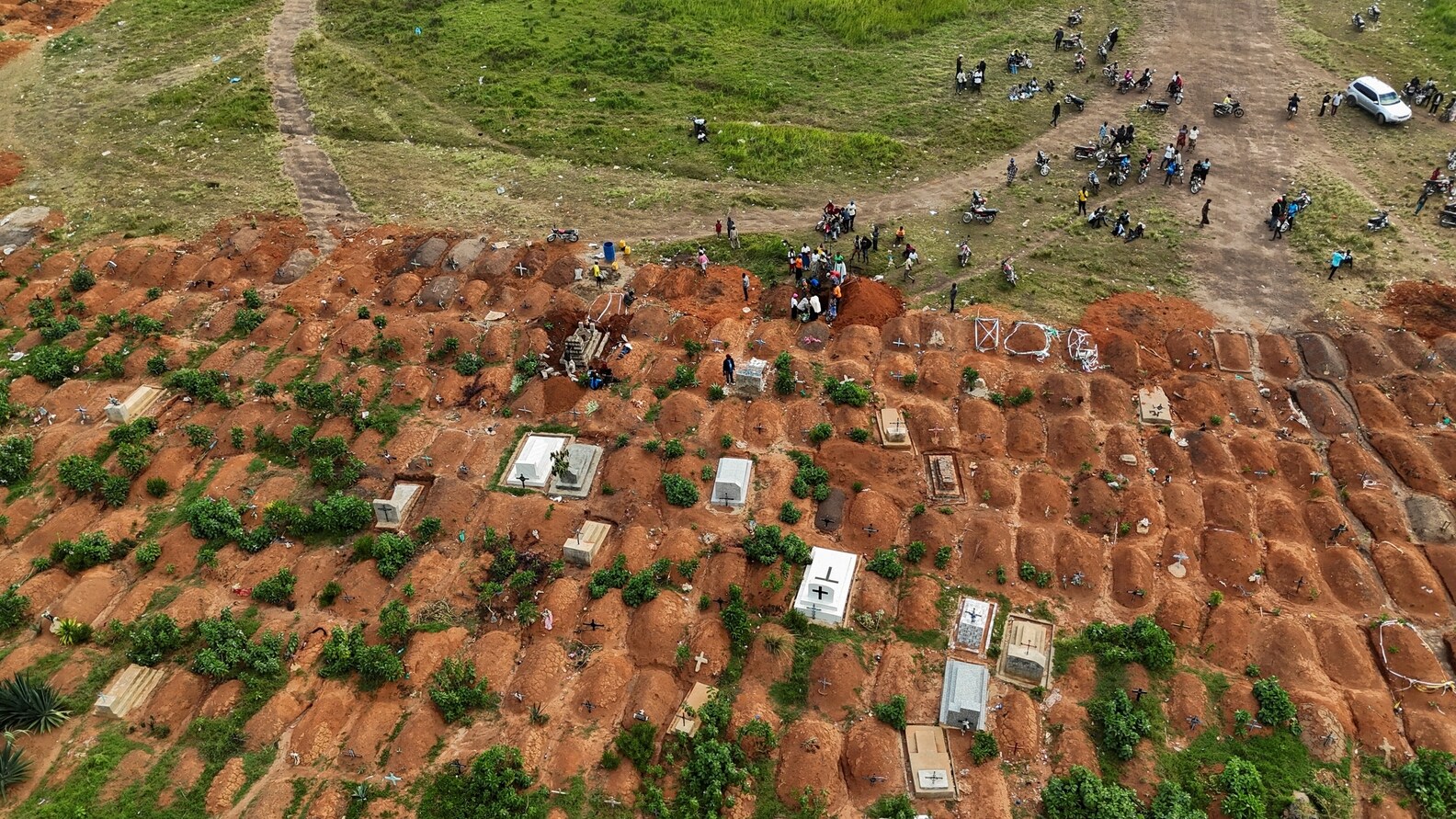
Over 9,000 Ebola cases recorded in Congo
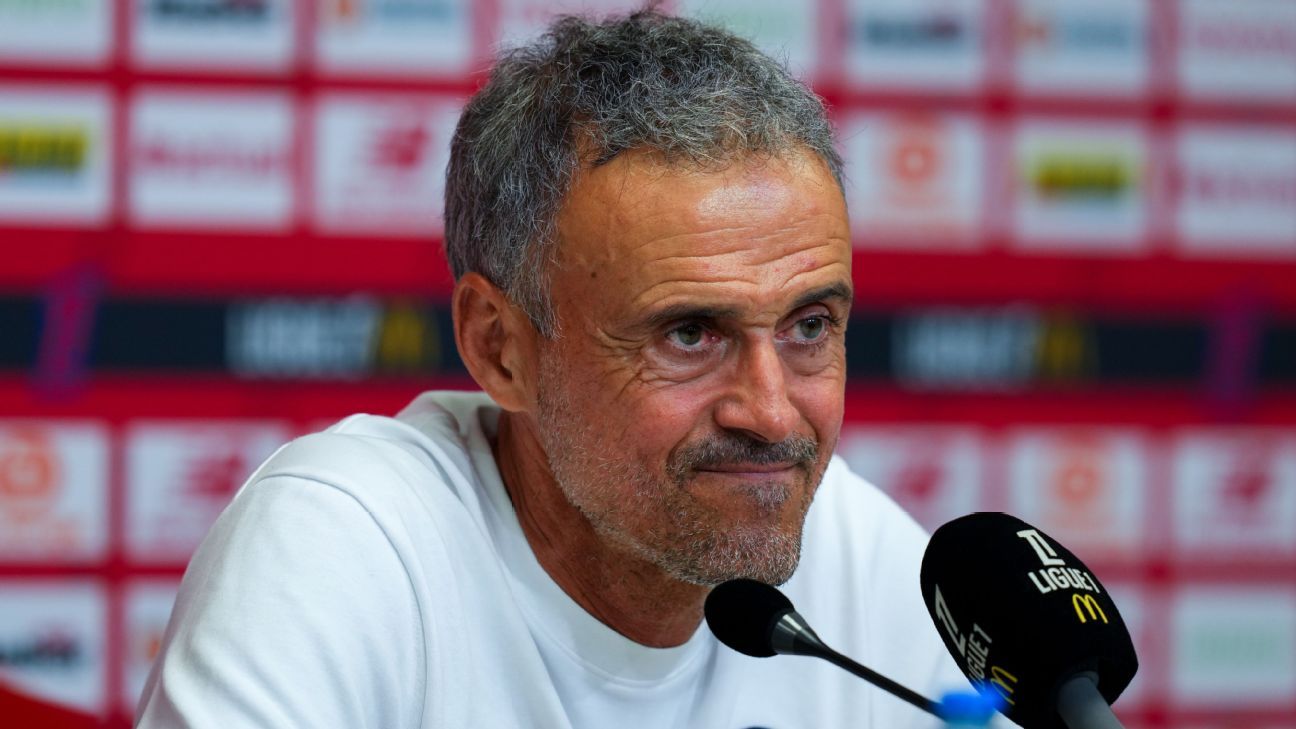
City deserve to keep titles even if guilty of financial breaches — Enrique
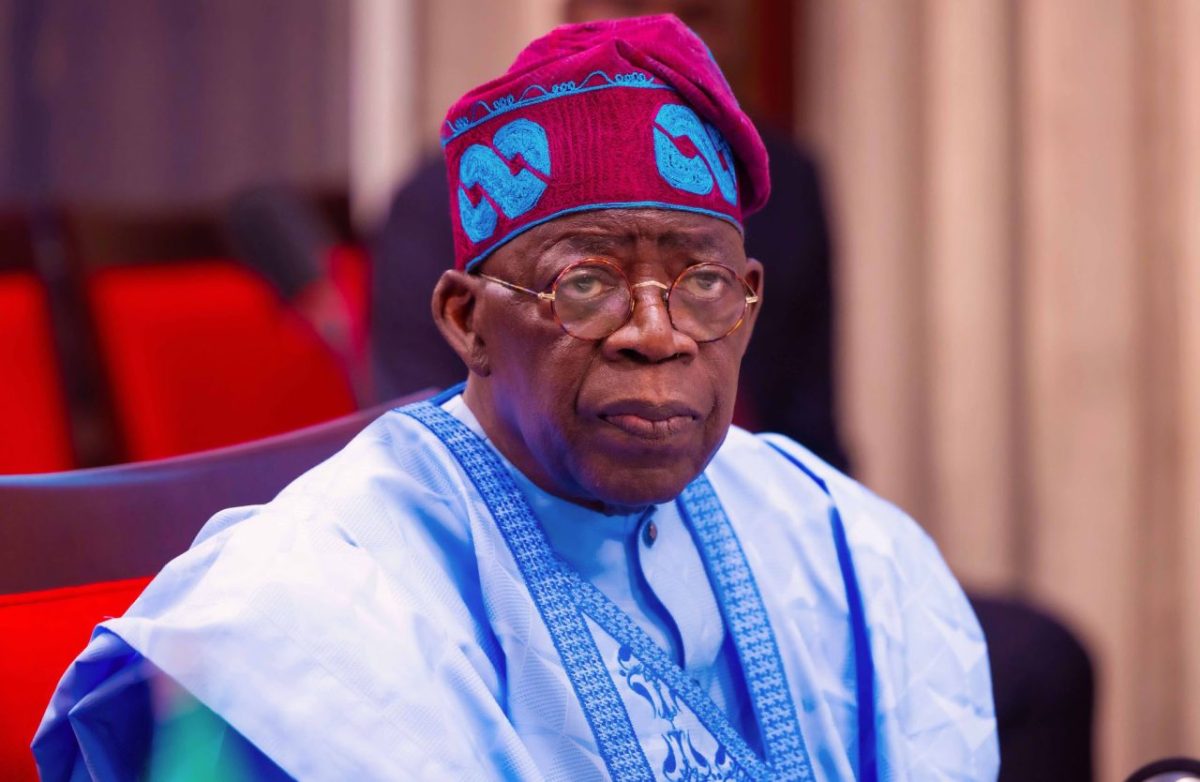
Tinubu names opposition governors in 2027 re-election campaign council
United can weather the storm after worst start in 40 years — Carrick
Report: Nigeria’s Multidimensional Poverty Rises to 38.7% Under Tinubu
Nigeria recorded the highest increase in multidimensional poverty among countries assessed in 2026, according to a report by the United Nations Development Programme (UNDP) and the Oxford Poverty and Human Development Initiative.
The report showed that Nigeria’s multidimensional poverty rate rose from 33 per cent in 2021 to 38.7 per cent in 2024.
Multidimensional poverty measures more than income. It also considers people’s access to education, healthcare, housing, nutrition, sanitation, electricity and other basic services.
The report identified Nigeria, Afghanistan, the Central African Republic, Kyrgyzstan and Guinea as countries where multidimensional poverty increased. Nigeria recorded the largest rise among them.
It also found that many Nigerian households still lack electricity and essential assets such as televisions, computers, refrigerators and vehicles.
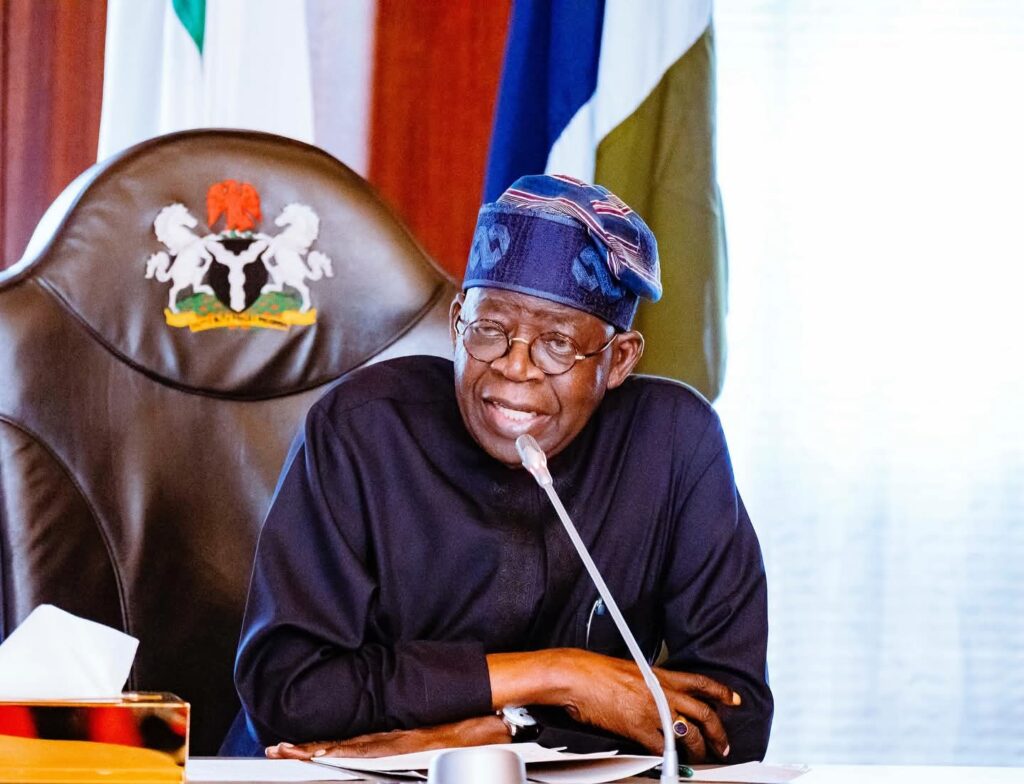
The report comes amid economic hardship following the removal of fuel subsidies and changes to the naira’s exchange rate under President Bola Tinubu’s administration. These policies have contributed to rising living costs and increased pressure on households.
To ease the burden, the government-backed Nigerian National Petroleum Company Limited (NNPC) announced plans to sell petrol at ₦1,350 per litre under a subsidy arrangement.
Tinubu is seeking re-election in January 2027. His administration had not publicly responded to the report at the time of publication.