



 By Livinus Chibuike Victor
its really hurts because those in power appear to believe that ordinary Nigerians have no voice, no right to question their decisions, and no business demanding accountability for public funds. But we have a voice, and we will continue to ask questions until Nigerians get answers.
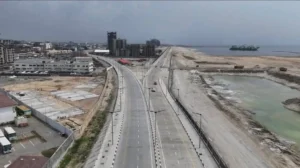
President Bola Ahmed Tinubu and the Minister of Works, Senator Engineer David Nweze Umahi, must answer some serious questions concerning the controversial realignment of the Lagos–Calabar Coastal Highway, a multitrillion-naira project estimated at approximately ₦15 trillion.
Why is a project conceived as a coastal highway undergoing significant changes to its route? Who authorised these changes, and what independent engineering assessments justify them?
Reports indicate that the Federal Government has opted to use the existing East-West Road for the stretch from Ondo into Edo State rather than construct an entirely new coastal alignment. Minister Umahi has defended the decision, citing engineering challenges, flooding and climate-related concerns. But Nigerians deserve to see the evidence behind these explanations.
If the government can commit trillions of naira to this project, why are citizens still struggling to understand the full implications of these route changes?
And what happens to the coastal communities that expected to benefit from the original alignment?
Let us ask some difficult questions:
1. Where is the complete financial breakdown? How much has been budgeted, borrowed, released and spent on each section of this highway?
2. Who approved the realignment, and when? Will the Ministry of Works publish the original and revised route maps, engineering reports and environmental assessments for independent scrutiny?
3. What happens to the communities left out? Will coastal communities in Ondo and other affected areas lose promised economic opportunities, access to infrastructure and potential employment?
4. What is the true cost of the revised route? Will the changes reduce the overall cost, increase it, or create additional financial obligations for taxpayers? Nigerians deserve transparent figures, not political assurances.
5. What is the funding plan for the remaining sections? If some stretches are delayed or depend on future financing, what guarantees exist that the entire corridor will be completed without leaving critical sections unfinished?
6. Who will be held accountable if the project fails to deliver its promised benefits? Will the government publish regular independent audits and construction progress reports?
President Tinubu and Engineer Umahi must understand that infrastructure projects are not personal gifts from politicians to Nigerians. They are public responsibilities funded through public resources and financing arrangements that may burden future generations.
We cannot continue to accept decisions involving trillions of naira without demanding transparency. Public money must serve the public interest, not political convenience.
Nigeria is not the private property of its political leaders.
Government can not make major decisions involving public funds without adequately explaining the evidence, costs and consequences, it creates room for suspicion and undermines public trust. Allegations of corruption or deliberate deception must be supported by evidence, but no government should be allowed to escape legitimate scrutiny.
My question to Nigerians is simple: If a project worth approximately ₦15 trillion can undergo major route changes, should citizens not have the right to examine the original plan, the revised design, the funding arrangements and the reasons behind this sudden change?
For How long will Nigerians continue to watch public projects become subjects of controversy while ordinary Nigerians bear the economic consequences?
The President and Minister David Umahi, Nigerians are watching. We demand answers, not excuses; documents, not propaganda; accountability, not political intimidation.
Government that respects its citizens should never be afraid of their questions.