



















Once a Democratic Society, Now Run by Criminals and Cabals
How Did Nigeria Become a Nation Where the Constitution Is Often Weaker Than Political Interests?
“When Chinedu cast his first vote after Nigeria’s return to civilian rule in 1999, he believed democracy would steadily deliver what decades of military rule could not: accountable leadership, stronger institutions and a government bound by the Constitution. More than two decades later, he still votes, but his optimism has faded. Like millions of Nigerians, he watches political crises unfold, court judgments spark controversy, lawmakers switch political parties without consequence and public institutions struggle to command public confidence. His question is no longer whether Nigeria is a democracy. It is whether democratic institutions still have enough strength to protect democracy itself.”
Nigeria proudly describes itself as Africa’s largest democracy. Since the end of military rule in 1999, the country has conducted successive general elections, witnessed peaceful transfers of power between political parties and maintained a constitutional framework that guarantees separation of powers, fundamental human rights and the rule of law. On paper, these are the defining characteristics of a functioning democratic state. Yet for many Nigerians, democracy increasingly feels procedural rather than substantive. Elections continue to take place, but concerns about governance, accountability, institutional independence and constitutional compliance have become recurring features of national discourse. This has given rise to an uncomfortable question: has Nigeria strengthened its democracy, or has political power gradually become more influential than the very institutions designed to regulate it?
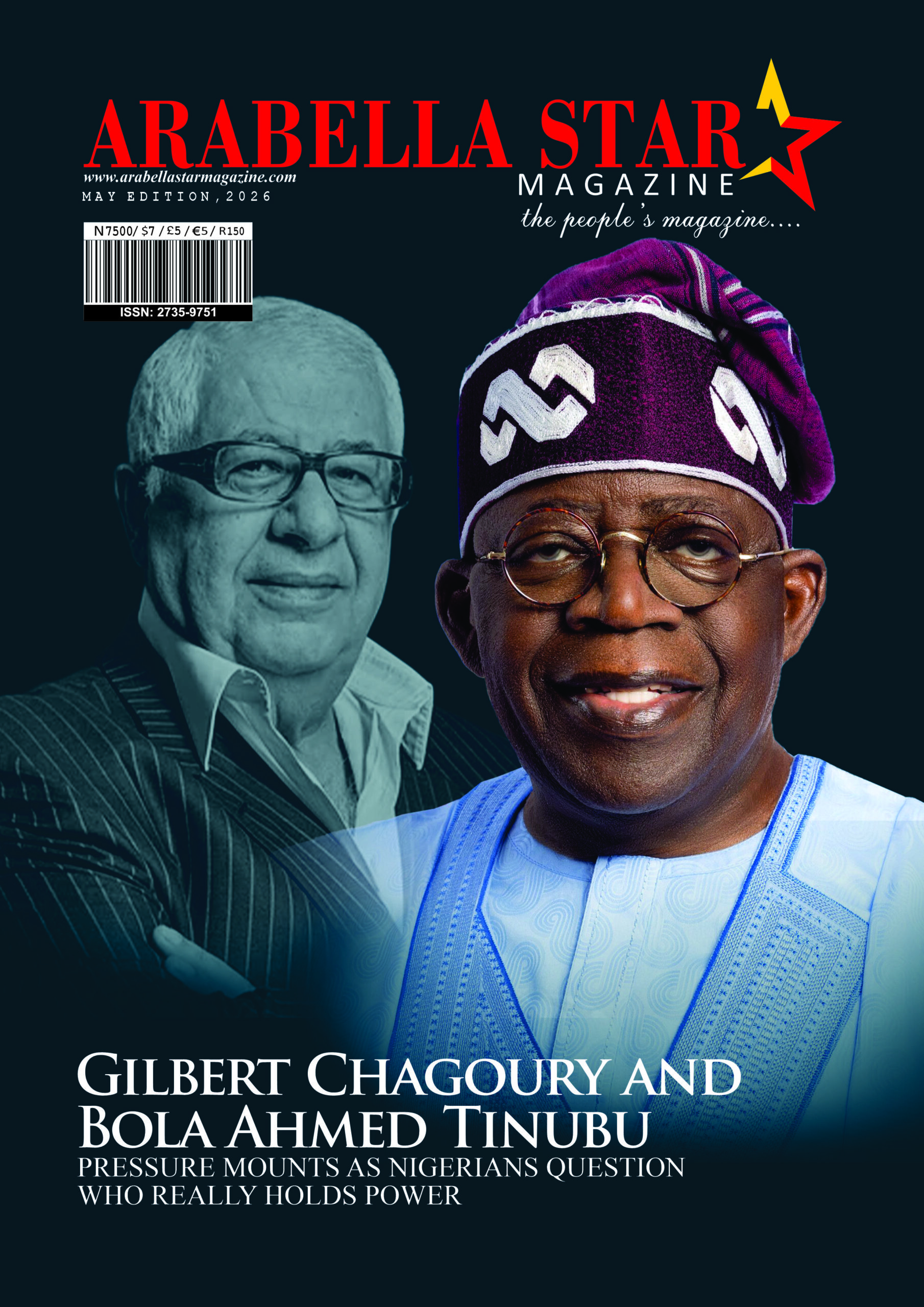
The phrase “criminals and cabals” has become common in political conversations, newspaper headlines and social media debates. It reflects a widespread perception that a small network of powerful political and economic actors exerts disproportionate influence over public decisions, often beyond public scrutiny. Whether that perception is entirely accurate is open to debate, but its growing popularity reveals something equally significant: declining public trust in democratic institutions. When citizens begin believing that informal political interests carry greater weight than constitutional processes, democracy itself begins to lose credibility.
Democracy Is More than Elections
Nigeria deserves recognition for sustaining uninterrupted civilian rule for more than two decades, a remarkable achievement considering its history of military interventions. However, democracy was never intended to be measured solely by the regular conduct of elections. A healthy democracy requires independent institutions, respect for constitutional limits, transparent governance, judicial independence, legislative oversight and equal application of the law.
The Constitution is designed to be the highest legal authority in the country. Every public office, institution and elected official derives legitimacy from it. Yet public debates frequently raise questions about whether constitutional principles are consistently respected or whether political expediency sometimes takes precedence. Disputes over executive powers, legislative independence, judicial autonomy, party defections, appointments and electoral processes have repeatedly fuelled concerns that political interests often overshadow constitutional ideals.
When Institutions Become Vulnerable
Strong democracies are built on institutions rather than personalities. Institutions provide continuity, enforce accountability and prevent excessive concentration of power. When institutions become weak, governance increasingly depends on the character of individual leaders instead of established rules.
Several governance indicators continue to suggest that Nigeria faces institutional challenges. The World Bank’s Worldwide Governance Indicators consistently identify weaknesses in government effectiveness, rule of law, regulatory quality and control of corruption. Likewise, the Mo Ibrahim Foundation’s Ibrahim Index of African Governance has repeatedly highlighted concerns about security, accountability and public administration in several African countries, including Nigeria. These assessments do not suggest that democratic institutions no longer exist. Rather, they indicate that their effectiveness remains under significant pressure.