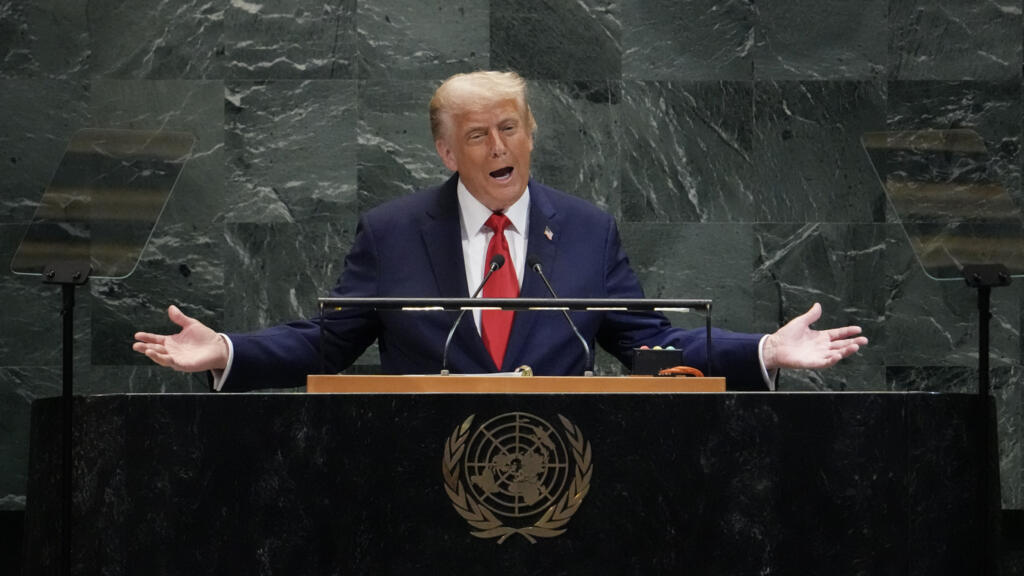






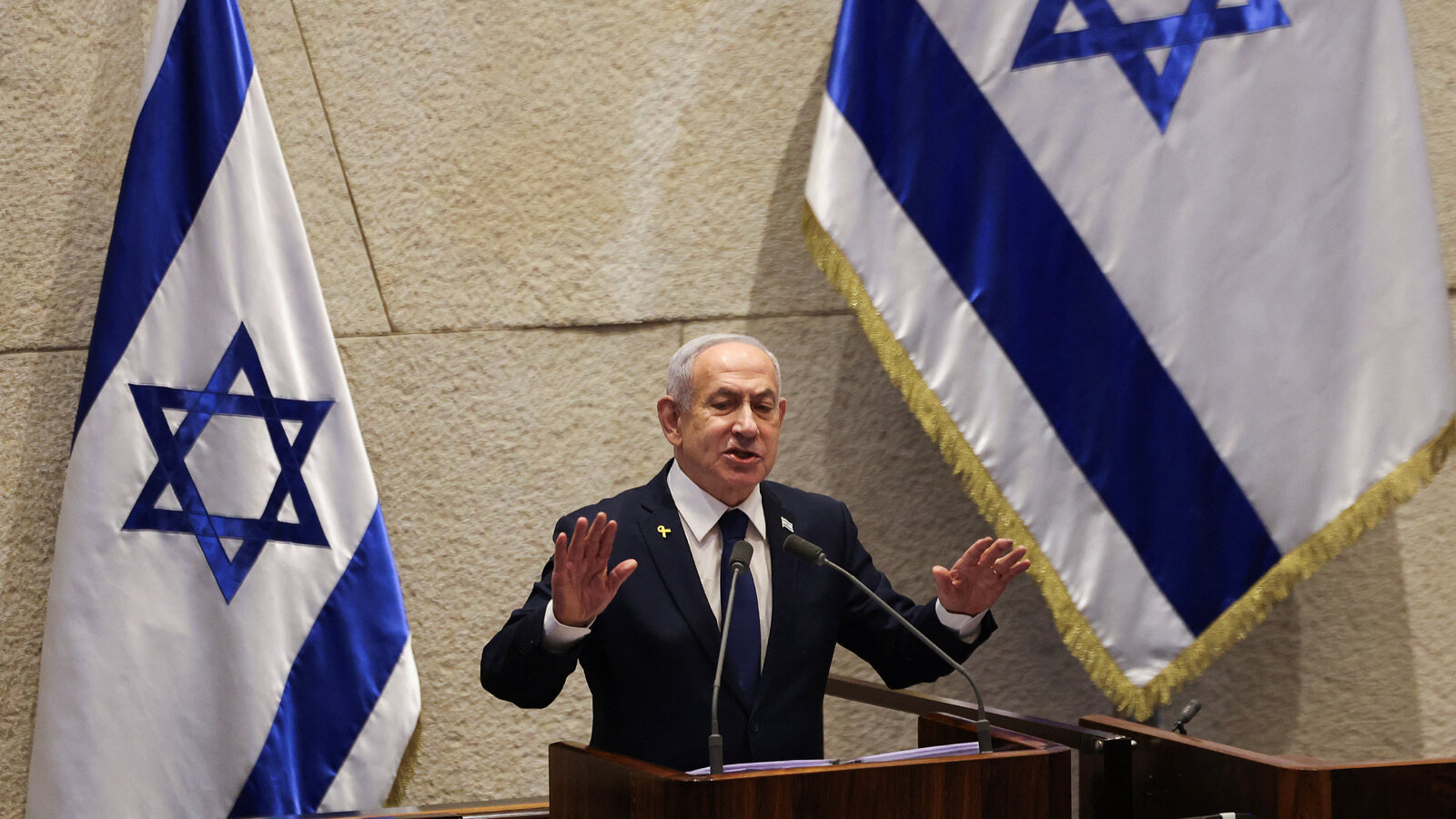

In his first public remarks since the United States and Iran announced an agreement in the early hours of Monday to end the Middle East war, Netanyahu also said that Israeli troops would remain in Lebanon, Gaza, and Syria for “as long as necessary”.
- Hamas hails US-Iran deal to end Middle East war
- Toothless Spain held by Cape Verde on World Cup debut
Speaking at a televised press conference, Netanyahu, who has faced severe criticism over his handling of the war and what critics describe as his failure to influence Washington’s negotiations over the deal, sought to highlight what he portrayed as the campaign’s major achievements.
“The most important thing is that we saved the State of Israel from the threat of nuclear annihilation,” Netanyahu said.
“And what would that mean? It would mean that millions of Israeli citizens — you who are hearing me now — all of you would have been in terrible danger of mass death… And we have pushed away from us, for years, this danger of the annihilation of Israel’s population,” Netanyahu said.
Netanyahu pledged that Iran would never be allowed to acquire nuclear weapons, regardless of the terms of any agreement.
“With an agreement or without one, Iran will not have nuclear weapons,” he said.
“Not today and not tomorrow,” he said, adding that the US and Israeli campaign had struck “every possible infrastructure target” in Iran.
“I made no mistake at all… We said we wanted to remove an existential threat hanging over us: first, the nuclear threat — and we did that, second the missile threat — and we did that.”
– ‘Credible military threat’ –
Listing what he described as the operation’s achievements, Netanyahu said: “We neutralised their nuclear scientists, decapitated the leaders of the terror regime, crushed the nuclear facilities, destroyed missiles, and destroyed the overwhelming majority of factories producing missiles.”
He also argued that the campaign had created a “credible military threat” to underpin any future agreement with Iran, something he said had been lacking during the early years of the conflict triggered by Hamas’s October 7, 2023 attack on Israel.
“We still do not know what the agreement will actually be. But I can tell you the fundamental difference between then and now: Any agreement must be accompanied by a credible military threat,” he said.
“Back then there was no credible military threat. Today there is. And not only because of the United States — because of us.”
But the threat to Israel, he said, also remained — not only from Iran but its allies in the region, who had been “struck in an unprecedented manner”.
“We established deep security zones around the State of Israel. We did this in Gaza, in Lebanon, and in Syria,” Netanyahu said.
“And I want to make it clear: we will remain in these security zones for as long as necessary to protect our country.”
The US-Iran deal envisages an end to the war in the Middle East, including in Lebanon, where Israeli forces are fighting Iran-backed Hezbollah militants.
“Israel will not allow terrorist organisations to entrench themselves on our borders, dig terror tunnels into our territory, or prepare massacres near our citizens,” he said.