
























Live News
City to win appeal against financial charges — Maresca
Thieves stole wine worth €5m in Italy
Raphinha will miss Barcelona’s next two matches — Flick
Hurkacz knocks out Djokovic of Shanghai Masters in first game
Only mad people can vote for Tinubu — Amaechi
Triple Crown for Julius Berger at Eurocham Nigeria Awards 2026
Across Nigeria’s procurement landscape, many contractors speak of an unwritten rule that operates alongside official procurement regulations. Before a contract is awarded, approved, mobilised, or certified, a significant percentage of its value may be lost to kickbacks, influence payments, and other forms of corruption.
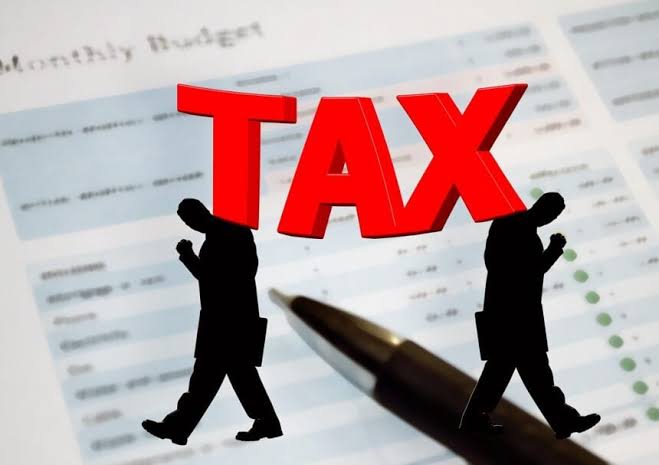
While the exact figures vary across sectors and agencies, procurement experts, anti-corruption investigators, and industry stakeholders have long warned that corruption functions like a hidden tax on public contracts. The result is inflated project costs, poor quality execution, abandoned projects, and enormous losses to the public treasury.
The scale of the problem is staggering. Reports cited by the Centre for the Study of the Economies of Africa (CSEA), BusinessDay, and Chatham House have estimated that Nigeria loses as much as $18 billion annually to corruption and financial crimes linked to public procurement.
The Chartered Institute of Purchasing and Supply Management of Nigeria (CIPSMN) has also warned that as much as 30 percent of procurement spending may be lost through inefficiencies, corruption, and poor governance practices. These concerns mirror global studies by international institutions which estimate that between 10 and 30 percent of public infrastructure spending can be lost to corruption, with developing countries often experiencing the highest losses.
Perhaps the most striking assessment came from EFCC Chairman Ola Olukoyede, who stated that procurement and contract fraud account for approximately 90 percent of corruption in Nigeria’s public sector. Whether viewed through financial losses or enforcement statistics, procurement remains one of the country’s most vulnerable areas of governance.
Investigations by anti-corruption agencies, media organisations, and procurement experts reveal recurring patterns.
Officials allegedly influence bid evaluations in favour of preferred contractors. Contract values are inflated to accommodate unofficial payments. Variations are introduced after awards, increasing project costs. In some cases, shell companies and politically connected proxies secure contracts despite lacking the capacity to execute them.
Procurement related prosecutions by the EFCC have repeatedly exposed cases involving public officials accused of receiving substantial payments from contractors in exchange for favourable treatment. One widely reported case involved allegations that a senior Nigerian Railway Corporation official received more than ₦160 million in kickbacks linked to awarded contracts.
These practices create incentives that prioritise access and influence over competence and value for money.
The World Bank has consistently identified procurement as one of the most corruption prone areas of public administration. Various procurement assessment reports have highlighted concerns about weak transparency mechanisms, excessive discretionary powers, limited oversight, and poor enforcement of sanctions.
The challenge is not unique to Nigeria, but the consequences are particularly severe because of the country’s massive infrastructure deficit and development needs.
Investigations into agencies such as the Niger Delta Development Commission, road construction projects, power sector contracts, and other major public works have repeatedly raised questions about procurement practices, contract execution, and accountability for public funds.
Procurement corruption is often discussed in terms of billions and trillions of naira, but its real impact is measured in human lives and missed opportunities.
Inflated contracts reduce the number of schools, hospitals, roads, and power projects that government can deliver. Poor quality execution contributes to deteriorating infrastructure and safety risks. Abandoned projects leave communities without essential services despite substantial public expenditure.
When funds intended for development are diverted through corruption, citizens effectively pay twice: first through taxes and public borrowing, and then through the absence of the services those funds were meant to provide.
Nigeria must strengthen procurement transparency by expanding beneficial ownership disclosure, enforcing competitive bidding requirements, digitising procurement processes, and ensuring independent oversight of major contracts. This should include the full implementation of open contracting data standards, real time publication of contract awards, and accessible public databases that allow citizens, journalists, and civil society organisations to track procurement activities from start to finish.
Anti-corruption agencies must also intensify investigations and prosecutions to ensure that procurement violations attract meaningful consequences regardless of status or political connections. Strengthening whistleblower protection frameworks, encouraging citizen reporting, and safeguarding investigative journalism are equally critical to exposing wrongdoing and deterring future abuses.
In addition, procurement officers and public officials should undergo continuous training on ethical standards and compliance, while strict penalties must be enforced for breaches of procurement laws. Legislative reforms should close loopholes that allow discretionary abuse, and independent audit institutions must be empowered with the resources and autonomy needed to scrutinise public spending effectively.
Ultimately, tackling procurement corruption requires a coordinated effort involving government institutions, the private sector, civil society, and the general public. Only through sustained commitment, transparency, and accountability can Nigeria dismantle the entrenched systems that enable corruption and ensure that public funds are used for their intended purpose.
The evidence from procurement investigations, anti-corruption agencies, industry bodies, and governance organisations points to a troubling reality: corruption remains deeply embedded in the public contracting process. Estimates from CIPSMN, CSEA, EFCC, and international institutions suggest that billions of dollars are lost annually through procurement related abuses that undermine development and public trust.
Until transparency, accountability, and enforcement become central pillars of procurement governance, public contracts will continue to serve private interests at public expense. For Nigeria, tackling procurement corruption is not merely a governance issue. It is a development imperative.