





















Live News
PRINCESS JOY IDAM TO NAFDAC: VERIFY CLAIMS OF HARMFUL CHEMICALS IN SANITARY PADS
Italy plans to ban burqas and niqabs in schools
Iran says it has given US conditions for reopening Hormuz
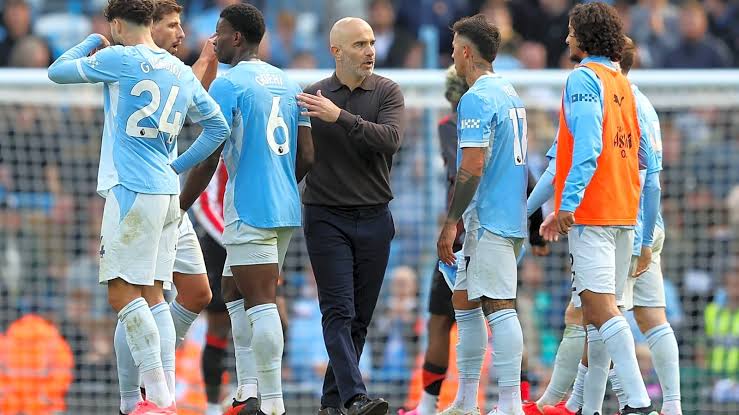
Maresca wants 1-0 wins after eight-goal Man City thriller
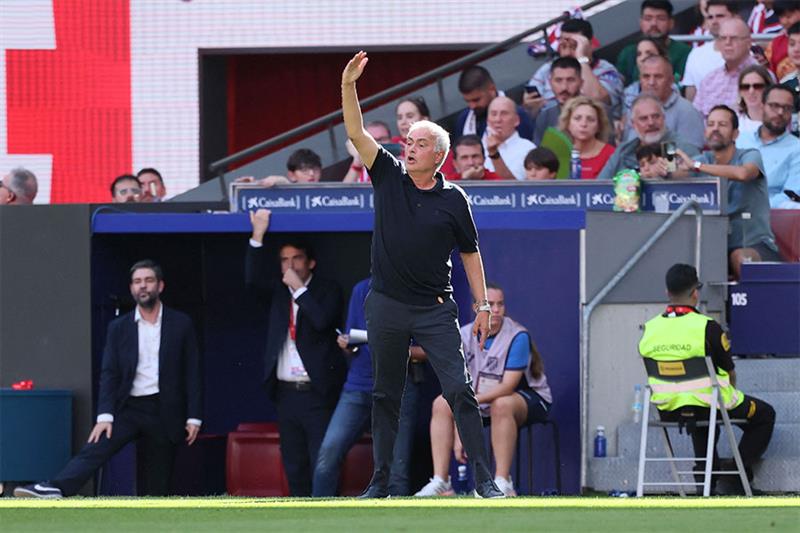
Mourinho questions referee decisions in Real Madrid derby loss
Man United salvage Fulham draw as pressure mounts on Carrick
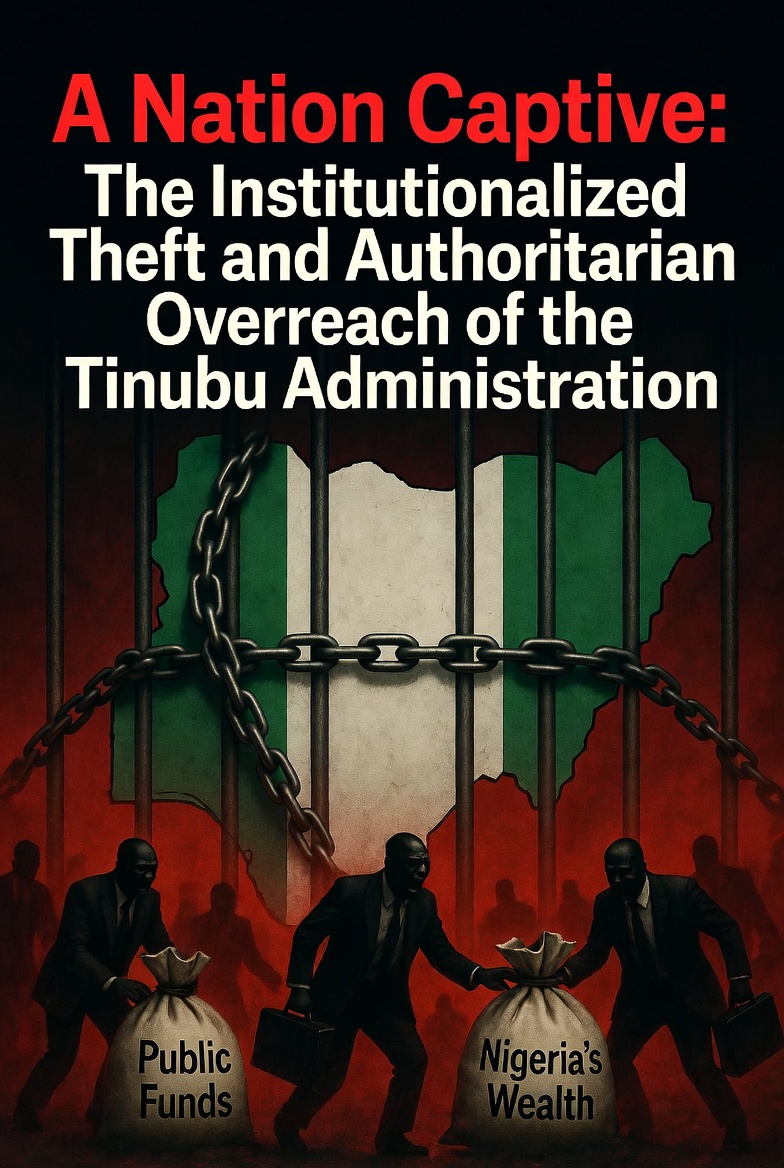
The current administration, led by Bola Ahmed Tinubu, represents a profound crisis of governance in Nigeria, characterized by unprecedented greed, systemic corruption, and a complete absence of public empathy.
Stepping into power on May 29, 2023, without a coherent leadership blueprint, this administration has prioritized the systematic draining of national resources to satisfy predatory private interests over national development.
Economic Sabotage and Fiscal Mismanagement
The administration’s economic policies have plunged Nigeria into an unprecedented financial crisis. Under the guise of fiscal reform, the abrupt removal of the fuel subsidy, combined with aggressive foreign borrowing purportedly meant for infrastructure has instead facilitated the diversion of public funds. Key indicators of this fiscal recklessness include:
IMInflated and Illegal Contracts:The weaponization of state procurement to award inflated contracts to a cartel of political cronies.
Manipulated Regulatory Frameworks: The continuous alteration of legal and economic policies designed solely to institutionalize corruption and undermine the electoral system.
The Subversion of Democratic Institutions and Press Freedom
Unlike its predecessors, which sought to suppress the press through overt censorship, the current regime has deployed a more insidious strategy: the weaponization of disinformation. Journalism is no longer judged by truth, but by compliance. State protection and praise are reserved exclusively for media entities willing to mislead the public and validate the administration’s destructive agenda.
Furthermore, the administration has systematically eroded democratic checks and balances through political coercion. The unprecedented alignment of 31 out of 36 state governors under the ruling All Progressives Congress (APC) was not achieved through democratic consensus, but through political extortion. Elected officials including governors and legislators faced explicit ultimatums: defect to the ruling party or face state-sponsored subversion of their tenures.
Total State Capture
Today, the Nigerian state suffers from comprehensive institutional capture. The military, paramilitary agencies, the legislature, and the judiciary have been thoroughly compromised. Key oversight positions are systematically staffed by individuals of compromised integrity who view public service strictly as a mechanism for illicit wealth accumulation.
This culture of impunity is perfectly exemplified by the monopolization of the Ministry of Petroleum by the Presidency. Managing the executive branch is an immense responsibility; absorbing the oil sector under direct presidential control serves no administrative purpose other than to centralize and shield the nation’s primary revenue stream from independent oversight. Leadership derived from a compromised electoral process cannot yield transparent governance.
The Trajectory Toward 2027
As the 2027 political cycle approaches, Nigeria stands at a critical crossroads. The current socioeconomic structure has reserved the nation’s vast potential exclusively for a predatory elite and their networks, effectively disenfranchising ordinary citizens and stripping the youth of any viable future. Nigeria is facing severe systemic failure, and reversing this trajectory requires an uncompromising demand for accountability and structural reform.