



















Live News
Tinubu’s economic reforms worsened poverty in Nigeria — Obasanjo
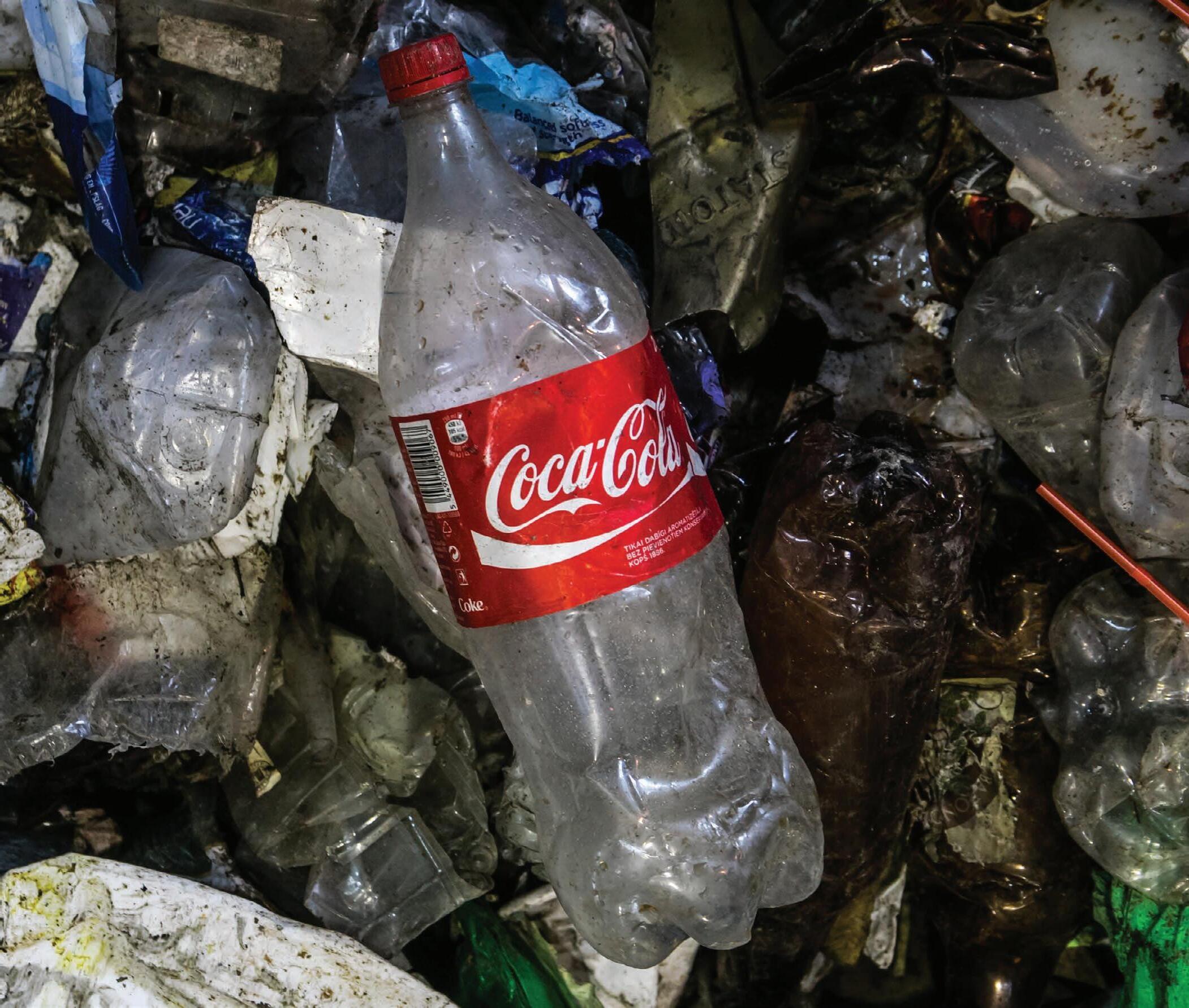
Coca-Cola, Nestle modify recycling claims after EU pressure
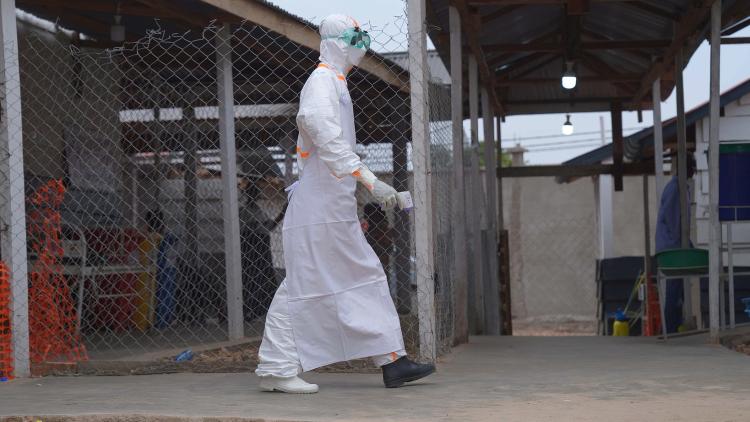
WHO warns of complex Ebola outbreak as virus spreads to Nigeria
Real Madrid demand Tebas to resign after comparing club to Goebbels
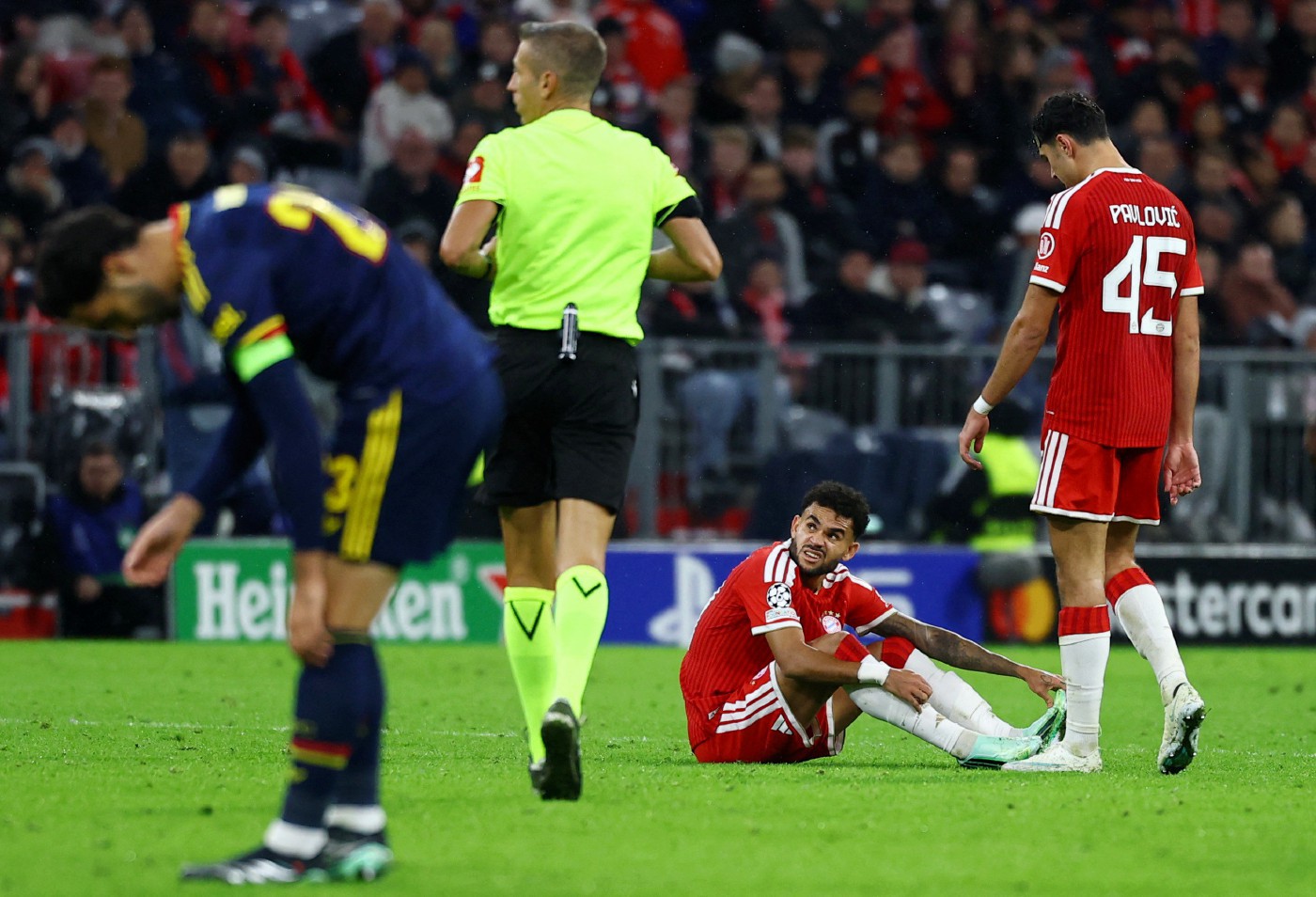
Bayern winger Diaz sidelined with hamstring tear
NUJ DEMANDS JUSTICE, FAIR HEARING AND PROTECTION OF PRESS FREEDOM IN FARIDA ISIAK’S CASE
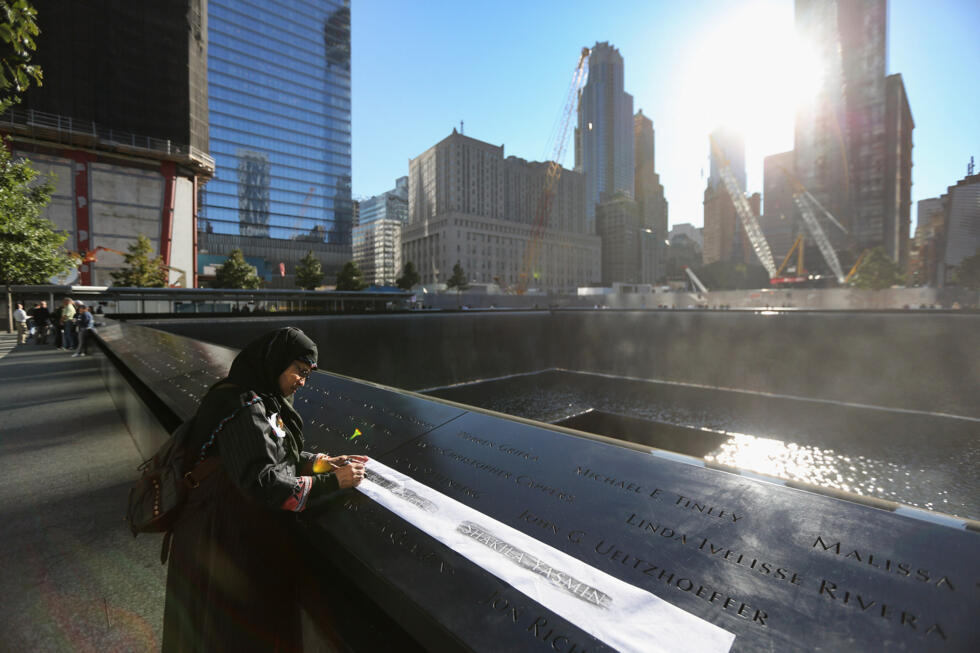
Twenty-five years after the September 11 attacks, Muslims in New York are increasingly asserting their place in the city, after years of Islamophobia, surveillance and suspicion that followed the attacks.
For many Muslim New Yorkers, the change is visible in politics, public life and the growth of Muslim communities across the city. New York now has its first Muslim mayor, Zohran Mamdani, while Muslim prayers and cultural events have become more visible in public spaces.
One of those reflecting on the change is Asad Dandia, a historian who was eight years old when he watched the 9/11 attacks on television at his Pakistani immigrant parents’ home.
Years later, when he was 19, Dandia said a police informant posed as his friend and entered his family’s home as part of a surveillance operation targeting Muslim communities.
The surveillance programme, which was carried out by the New York Police Department between about 2002 and 2014, was later discredited after it failed to produce leads linking the monitored communities to terrorism.
Today, Dandia, 33, leads walking tours highlighting the history of Muslim communities in New York, including the role of Muslims in Harlem.
He says Muslims should not be made to feel responsible for the 9/11 attacks simply because they share the same religion as the attackers.
“Twenty-five years after 9/11, we mourn and we grieve what happened, and at the same time, we recognise that I am not responsible for what happened,” he told AFP.
“I don’t deserve to be targeted for what happened, and I am as much of a New Yorker as anybody else in that respect.”
The growing political influence of Muslims is one of the clearest signs of the change.
Mamdani became New York City’s first Muslim mayor after his election, a development that has encouraged Muslim organisations and community leaders to become more active in city politics.
Muslim organisers are also building stronger alliances with churches, synagogues and other community organisations to campaign on issues such as affordable housing, public safety and government accountability.
In the Bronx, a coalition involving more than 40 mosques recently joined a wider interfaith organising network, with thousands of people attending an event focused on community demands.
The Muslim population has also become more established across New York.
Mosques, Islamic schools, community centres, restaurants and cultural organisations have expanded, while Muslim artists, writers and activists are playing a bigger role in the city’s cultural life.
Across the United States, the number of mosques increased from about 1,200 in 2000 to nearly 2,800 in 2020, according to data cited by the Pew Research Center.
But the progress has not ended Islamophobia.
Pew’s latest research shows that many Muslim Americans still report discrimination and unfair media portrayals. In 2026, about half of Americans surveyed said Islam encourages violence more than other religions, a view that remains considerably higher than it was shortly after 9/11.
For Muslim New Yorkers who lived through the years of suspicion after 9/11, the changes are significant.
The city that once saw Muslim communities subjected to widespread surveillance now has a Muslim mayor. Muslim communities are more politically organised, while Islamic culture has become increasingly visible in the city’s public and cultural life.
Mamdani himself has said that Muslim New Yorkers have too often been made to feel that being Muslim and being a New Yorker were conflicting identities.
For many Muslims in the city, the message today is increasingly clear: they are not outsiders trying to claim New York.
They are New Yorkers, and they are reclaiming their place in the city they have long called home.