


























Live News
Arsenal join Man City at Premier League summit
Le Pen scales presidency campaign amid protests in France
21-year-old man allegedly kills girlfriend in Edo
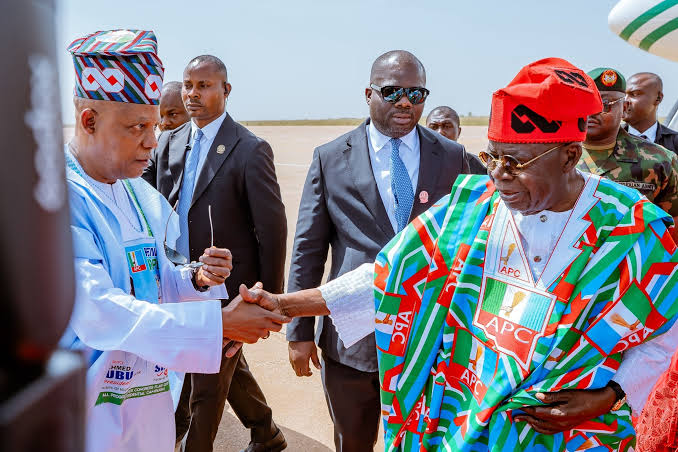
2027: It’s northerners turn to repay Tinubu — Shettima
Gabon restores social media access after eight-month ban
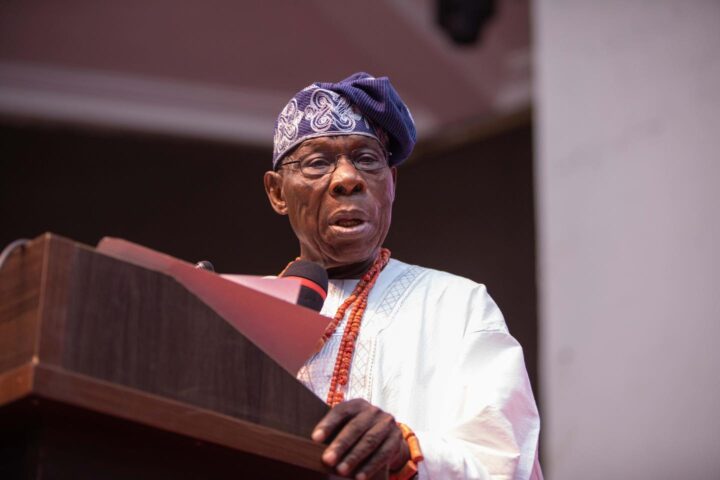
Tinubu’s economic reforms worsened poverty in Nigeria — Obasanjo
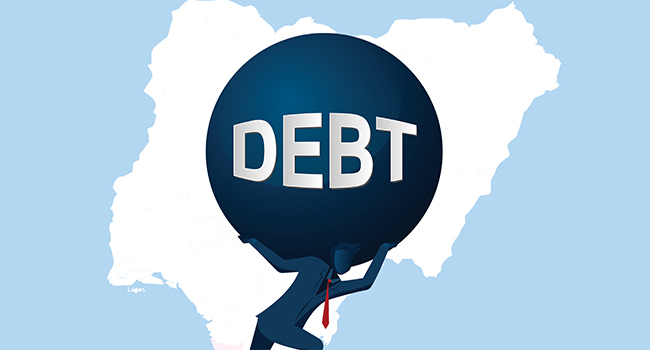
Nigeria’s total public debt reached N159.28 trillion as of December 31, 2025. This means that, on average, each Nigerian owes about N724,000, according to an analysis by Arabella Star Magazine.
Data from the Debt Management Office (DMO) shows the country’s debt is still rising, mainly because the government is borrowing more locally.
The figure does not include a newly approved N8.3 trillion loan, which means the total debt could increase further.
With a population of about 220 million people, the debt burden on citizens is growing.
The debt increased from N153.29 trillion in September 2025 to N159.28 trillion in December 2025, a rise of nearly N6 trillion (3.9%). Compared to December 2024, the debt has grown by N14.61 trillion (10.1%).
The federal government holds most of the debt, while states and the FCT account for a smaller share.
Experts are worried about how Nigeria will manage this rising debt, especially as the cost of paying it back keeps increasing.
A financial expert, Dr. Paul Alaje, said the debt will eventually be paid by Nigerians through taxes and government revenues. He warned that even future generations will share the burden.
He also explained that the government keeps borrowing because its spending needs are higher than the revenue it generates.