


















Live News
Bomb blast at Damascus cafe kills nine, authorities say
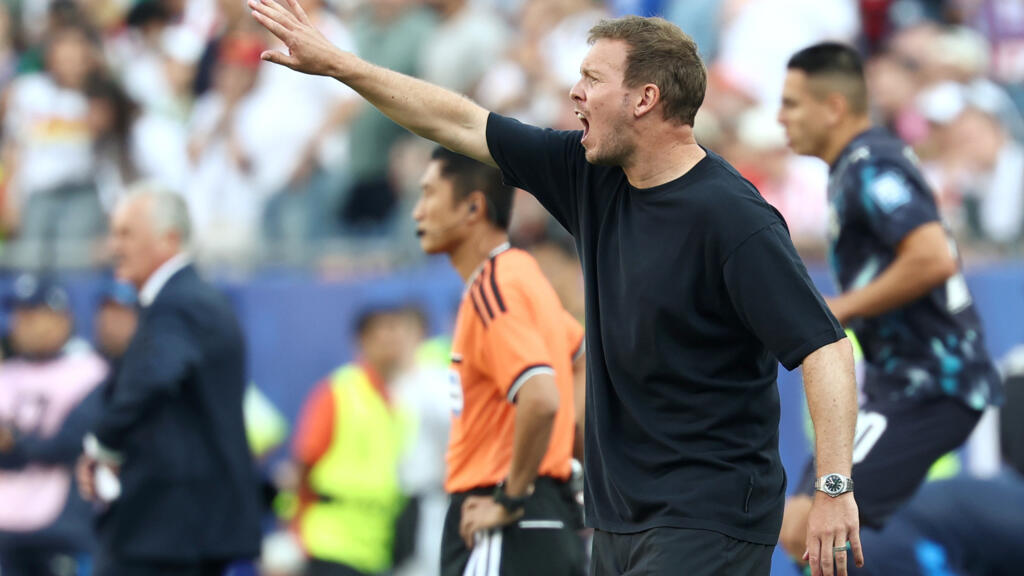
Klopp poised to replace Nagelsmann as Germany coach
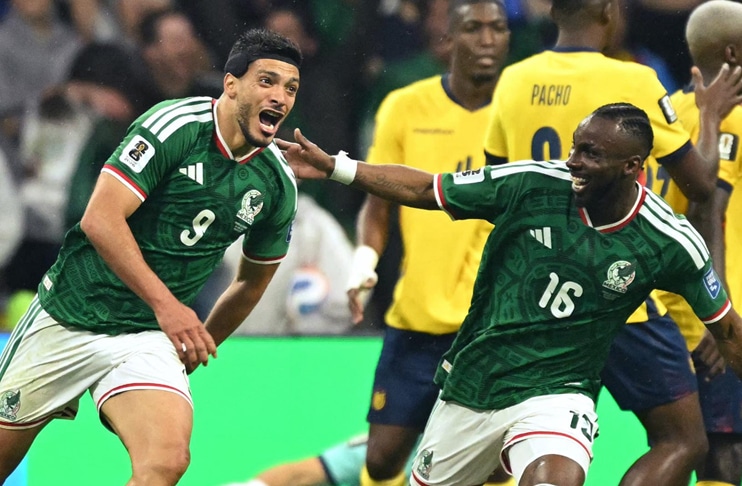
Mexico see off Ecuador to break 40-year World Cup curse
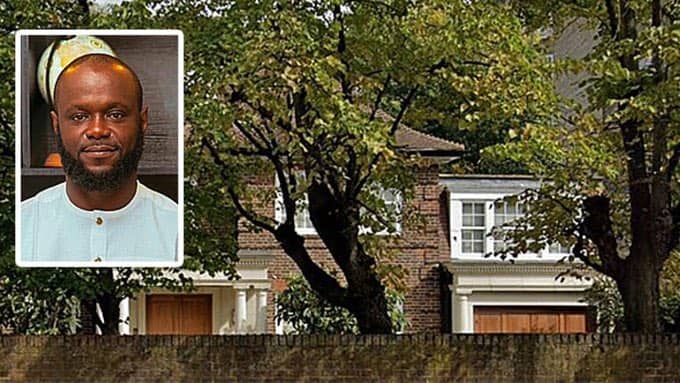
Seyi Tinubu and the $11 Million London Mansion: Questions Raised Over Ownership and Source of Funds
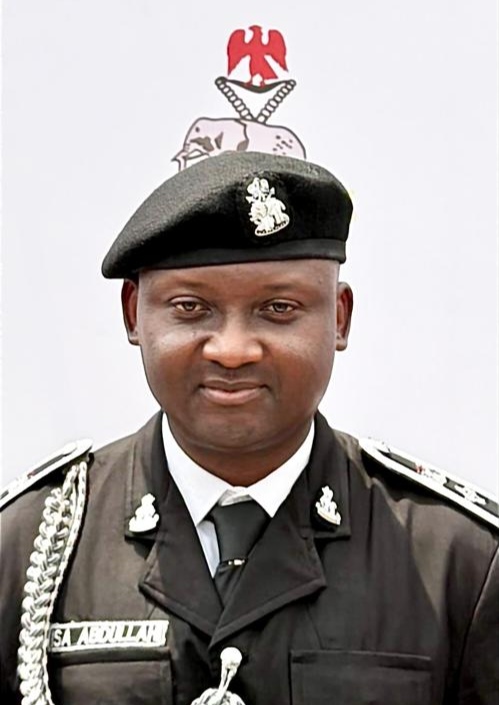
New Utako DPO, CSP Abdullahi Isa, Promises Stronger Community Policing
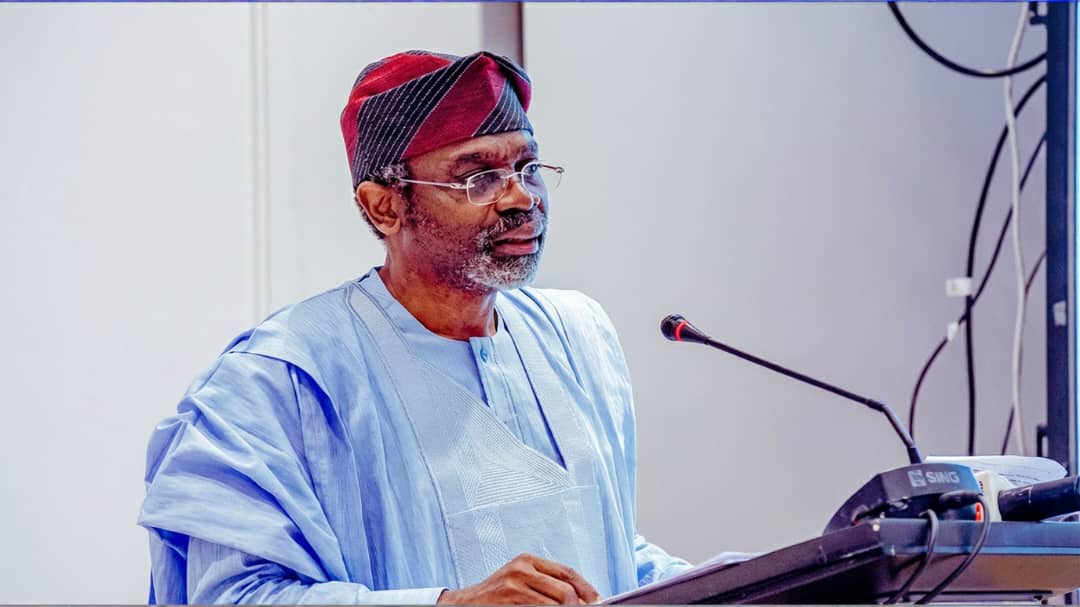
In the corridors of Aso Rock, where loyalty and influence determine destinies, Femi Gbajabiamila stands as one of President Bola Tinubu’s most trusted lieutenants.
But a explosive new scandal threatens to unravel that image, thrusting Nigeria’s Chief of Staff into the spotlight over allegations of massive cash-for-appointment bribes, a fictitious presidential agency with a billion-naira budget line, and echoes of past bribery claims that have dogged his rise from Lagos legislator to national power broker.
This investigative report pieces together public records, official statements, court details, and historical allegations to outline every key facet of the controversies surrounding Gbajabiamila. While no Nigerian court has convicted him of the latest claims, the details raise serious questions about accountability at the highest levels.
Who Is Femi Gbajabiamila? A Rapid Rise Built on Law, Politics, and Tinubu Loyalty
Olufemi Hakeem Gbajabiamila, born June 25, 1962, in Lagos to Lateef and Olufunke Gbajabiamila, built an impressive resume. He attended Mainland Preparatory School and Igbobi College, earned A-Levels at King William’s College (UK), graduated with an LLB (honors) from University of Lagos (1983), attended Nigerian Law School (called to bar 1984), and later obtained a Juris Doctor from John Marshall Law School in Atlanta, Georgia (top of class). He practiced in Lagos firms before establishing Femi Gbaja & Co. then moved to the US.
Politically active in Atlanta (supporting Mayor Bill Campbell), he returned to Nigeria and entered politics via the Alliance for Democracy (AD). Elected to the House of Representatives for Surulere I in 2003, he served six terms. Roles included Minority Whip, Leader of Opposition, Majority Leader, and Speaker of the 9th House (2019–2023).
He was instrumental in APC’s formation, opposed Obasanjo’s third-term bid, sponsored bills on employee rights, local content, education funding, and fiscal accountability (e.g.pushing Treasury Single Account). He rejected a national honor (OFR) on principle.
Appointed Chief of Staff on June 14, 2023, after resigning his House seat, Gbajabiamila is seen as a strategist, disciplinarian, and Tinubu’s “pathfinder” wielding significant influence over appointments and legislative affairs.
The Explosive 2026 Scandal: ₦400m Paid, ₦200m Demanded, and a “Fictitious” Agency with Real Budget Money
The latest firestorm erupted in late June/early July 2026. Prince Adeniyi Adeyemi Matthew (also referred to as Adeniyi Adeyemi), presenting himself as Director-General of the Presidential Foreign Intervention Promotion Council (PFIPC) / Presidential Economic Advisory Council, held a press conference accusing Gbajabiamila of orchestrating a bribe scheme.
Alleged Details
– Adeyemi claimed he paid ₦400 million (via proxy) to secure the DG appointment.
– Gbajabiamila allegedly demanded an additional ₦200 million.
– Further pressure for 48% of the agency’s proposed ₦.4 billion take-off grant.
– Adeyemi said he refused the extra demands, leading to fallout; he also alleged assassination attempts and called for Gbajabiamila to step aside for independent forensic review of documents signed by the CoS.
Reports indicate the agency somehow secured office space in the Federal Secretariat, opened accounts (including with CBN by allegedly misleading officials), hosted events/ambassadors, and received a ₦1.3 billion allocation in the 2026 budget despite the Presidency later declaring it fictitious.
Presidency’s Response and Counter-Claims
The Presidency, via spokesman Bayo Onanuga, issued detailed denials (July 1–2, 2026 statements). Key points:
– PFIPC does not exist; Adeyemi is a “con artist” running an elaborate scam using forged letters (purportedly bearing Gbajabiamila’s signature, seal, and portfolio).
– Gbajabiamila’s office first raised alarms in October 2025 after complaints from the Nigerian Investment Promotion Council about overlapping/duplicative activities.
– Police arrested Adeyemi on October 27, 2025, at the Secretariat; searches recovered forged documents.
– He allegedly forged presidential appointment letters, State House letterheads, and sought diplomatic notes verbales for US visas.
– Eight-count charges filed November 27, 2025 (conspiracy to forge, impersonation, false pretenses, etc.) at Federal High Court, Abuja. Next hearing: July 27, 2026. Adeyemi and accomplices were granted bail.
The Presidency emphasizes the CoS lacks constitutional authority for appointments (reserved for the Secretary to the Government of the Federation) and portrays the matter as a fraud case where Adeyemi scammed the system and public. Critics, including Atiku Abubakar and activists like Emmanuel Osemeka/Femi Falana (who offered to represent Adeyemi), demand independent probes, citing budget anomalies and potential high-level complicity.
This is not Gbajabiamila’s first brush with bribery claims:
2021 PIB Scandal As Speaker, he and other lawmakers were accused of receiving $1.5–2 million each in cash bribes to pass the Petroleum Industry Bill despite opposition from host communities. Reports (e.g., Peoples Gazette) cited internal legislator accounts; no prosecutions resulted.
US Legal Issue (2007)
Georgia Supreme Court suspended his law license for 36 months after he admitted mishandling a $25,000 client settlement (personal use from trust account, delayed disbursement, practice closure). He practiced under “Femi Gbaja.” Gbajabiamila has denied broader “conviction” narratives.
– Other whispers include influence over appointments, links to past ministerial scandals (e.g., Betta Edu references), and Surulere election disputes, but these lack court validation.
A Test for Tinubu’s Administration
The saga exposes vulnerabilities: how did a “fictitious” entity allegedly penetrate the Federal Secretariat, secure budget funds, and operate for over a year? It fuels public skepticism about anti-corruption pledges, elite impunity, and governance transparency. Opposition figures see it as evidence of deeper rot; supporters view it as coordinated attacks on a loyalist.
Gbajabiamila has not issued a personal detailed rebuttal beyond the Presidency’s statements. As of July 3, 2026, no independent judicial commission has been announced.
In Nigeria’s high-stakes power game, the full truth often emerges slowly, if at all. Nigerians deserve rigorous, independent scrutiny to separate fact from political theater.